Machine Learning WAF Rule Generation vs Static Rulesets
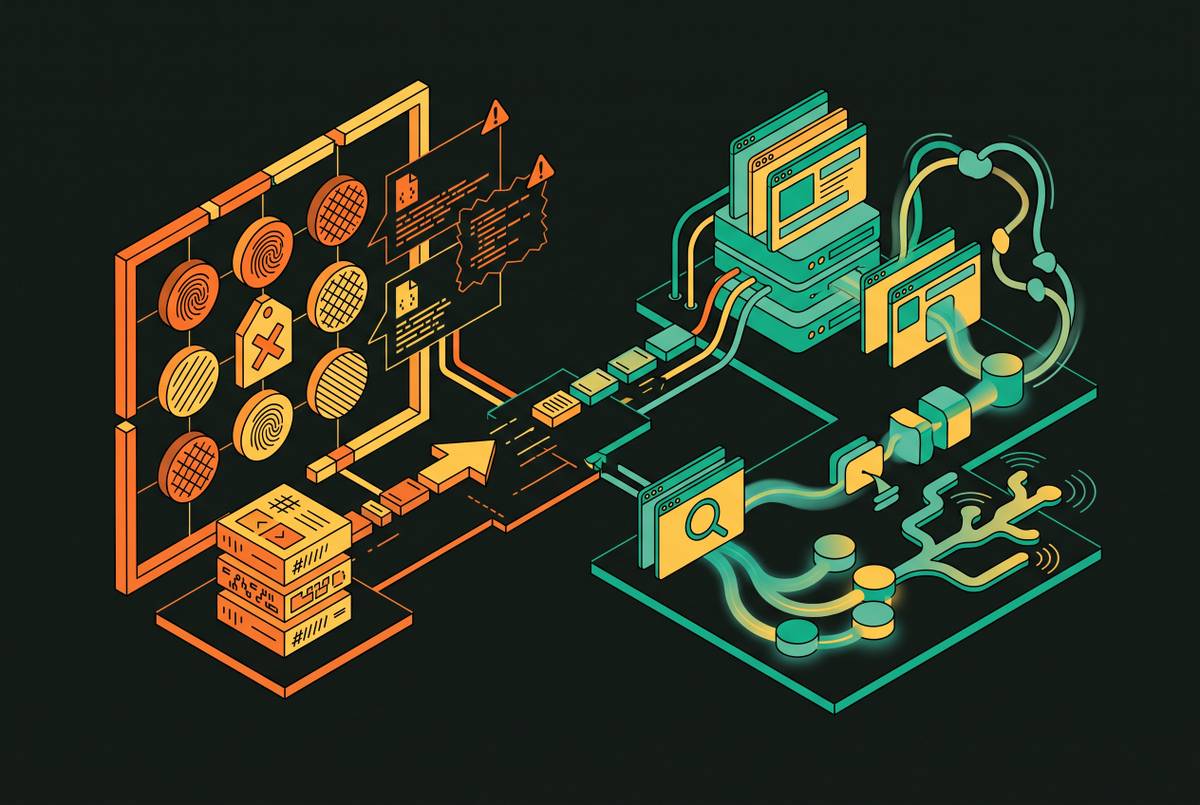
ML-based WAFs adapt to new attack variations faster than static rules can be manually updated.
Priya Nanthakumar
Section
11 stories in DDoS & WAF.
ML-based WAFs adapt to new attack variations faster than static rules can be manually updated.
Behavioral detection catches novel attacks; IoCs confirm known threats and scope their reach.
Perimeter controls need behavioral analysis and encrypted inspection to catch modern data theft.
Vendor benchmarks miss modern attacks—here's how to measure what actually matters.
Blocking credential-stuffing bots before login succeeds where post-authentication tools fail.
Persistent connections need defenses that stateless HTTP never required.
Attackers now harvest live credentials at industrial scale and evade standard defenses by design.
Distributed processing replaces centralized defenses as attacks exceed any single pipe's capacity.
API and browser bots exploit different weaknesses and need separate detection systems.
Structured tuning process eliminates false positives without gutting security.
Sophisticated attackers bypass bandwidth limits by forcing expensive work on servers.