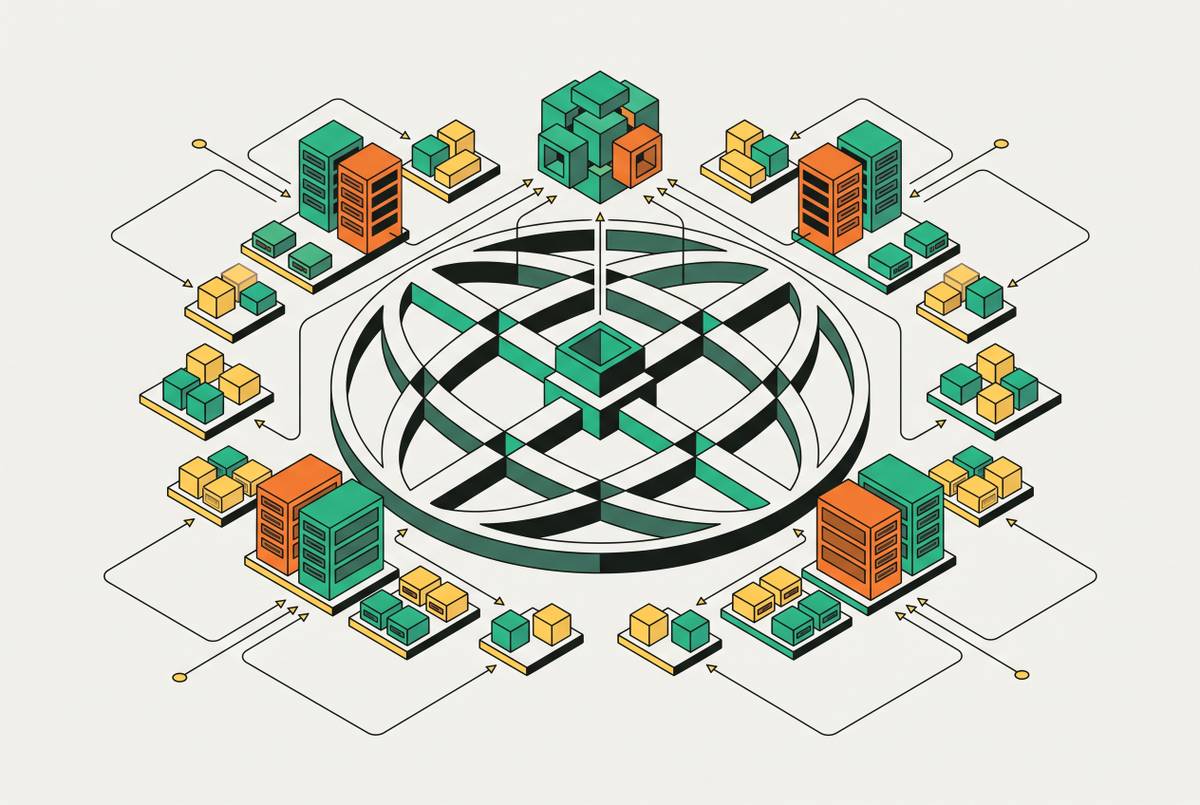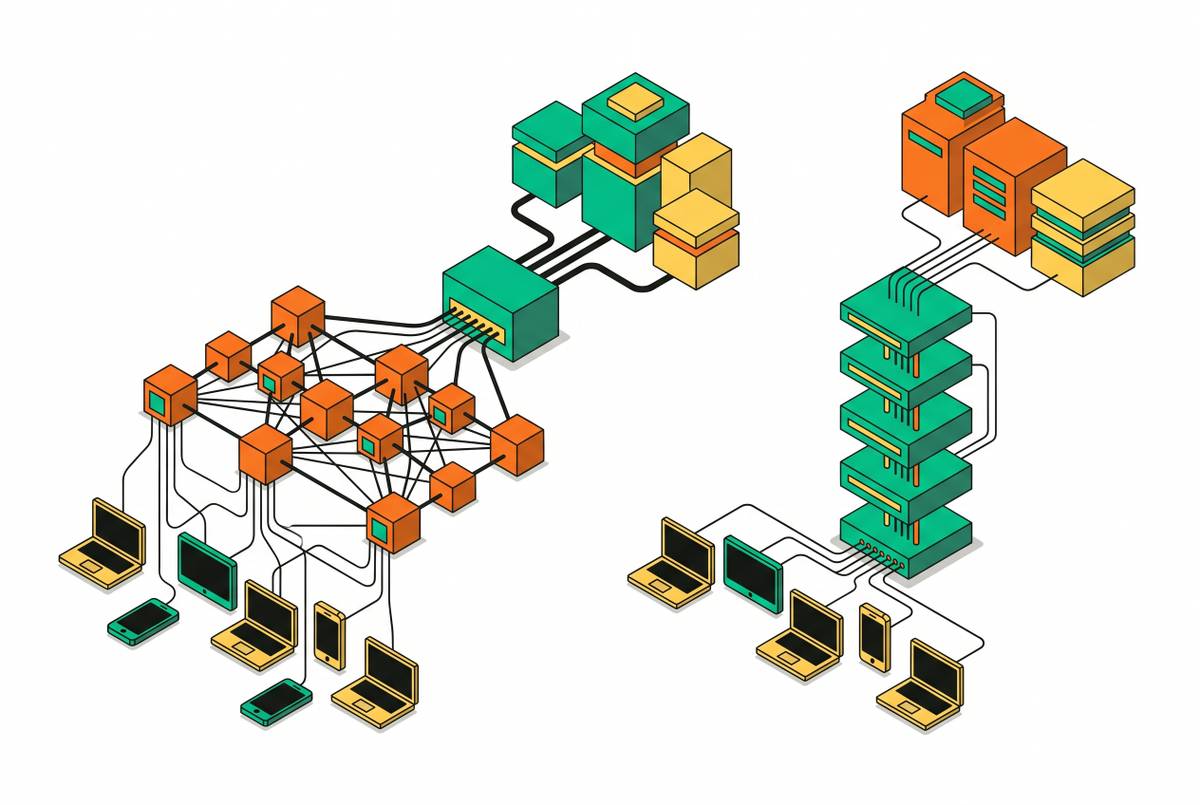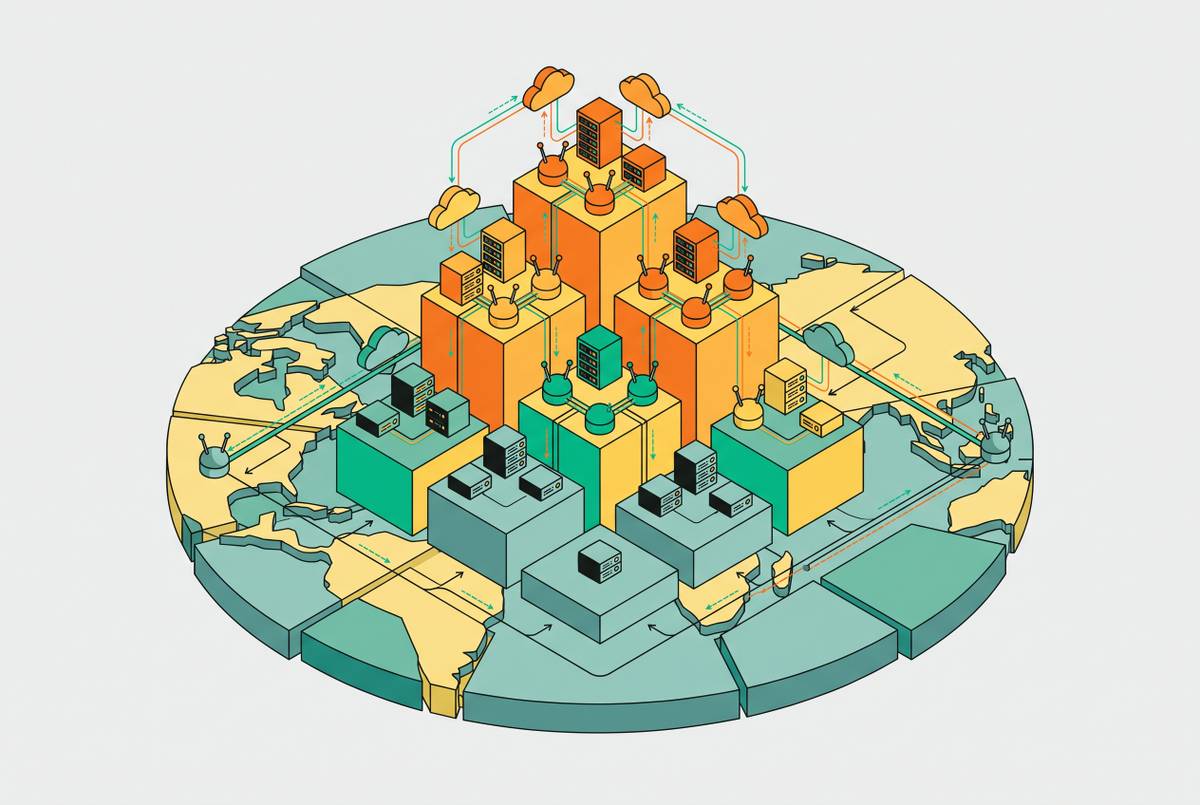
SASE Vendors Ranked by Edge Network Reach and Deployment Simplicity
Edge network density and onboarding speed determine whether SASE actually works in production.
Priya Nanthakumar
Senior Staff Writer
Priya spent eight years as a network security analyst at a mid-sized managed services provider before pivoting to full-time technology journalism in 2016. She covers the intersection of threat mitigation infrastructure and enterprise access models, with a particular focus on how policy frameworks lag behind attacker toolkits.
13 stories
Edge network density and onboarding speed determine whether SASE actually works in production.
Physics and application type set immutable latency boundaries before architecture choices begin.
Blocking bot traffic at the network edge stops account takeover before it reaches login systems.
Attackers now harvest live credentials at industrial scale and evade standard defenses by design.
Gartner's three separate reports expose which SASE components are genuinely integrated.
Connector architecture determines whether your applications stay hidden from the internet.
Protect MCP servers from the abuse patterns that autonomous agents create, not the ones people do.
Encrypted SaaS traffic hides threats that connection-level controls cannot see.
Compliance mandates force a specific sequence that generic Zero Trust pitches ignore.
Identity must feed every Zero Trust control point or attackers slip through the gaps.
Valid credentials alone can't stop breaches—devices must be evaluated too.
The choice between SASE and SSE depends on your existing network, not which platform is "better."
Request charges and egress costs, not storage rates, drive cloud bills at scale.