 Zero Trust & SASE
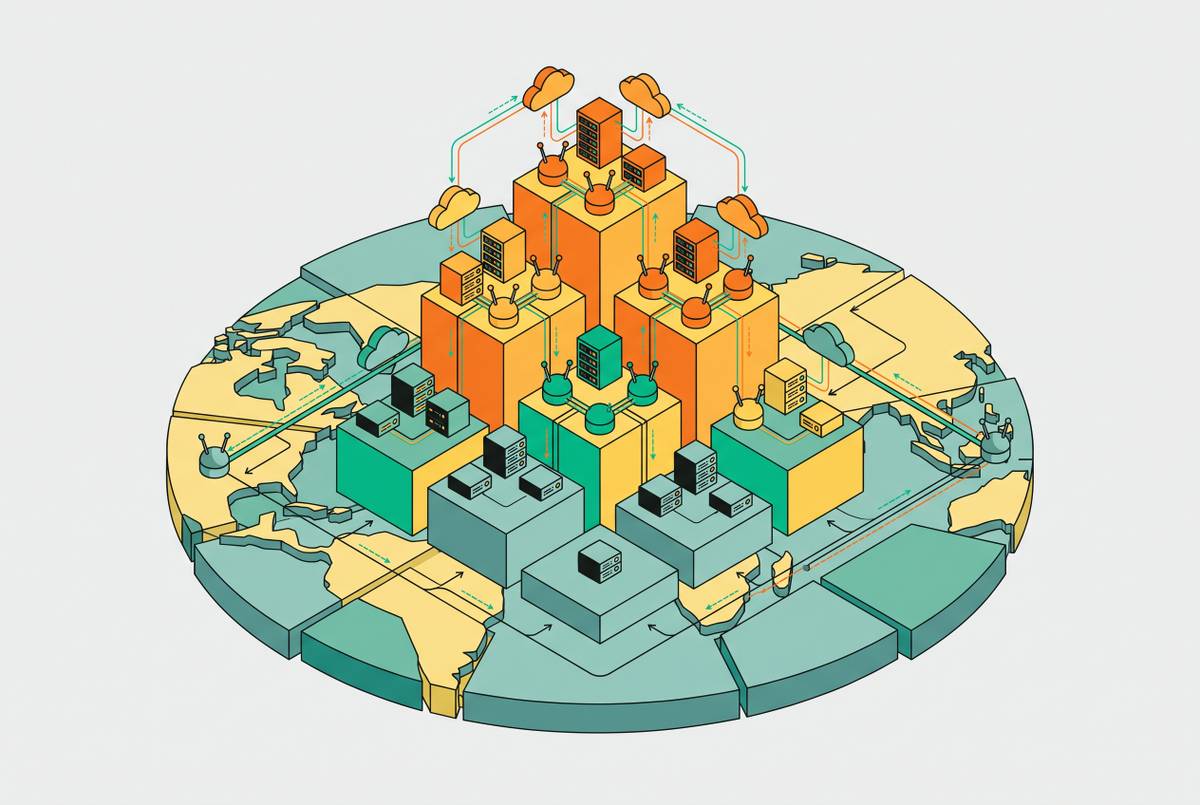
SASE Vendors Ranked by Edge Network Reach and Deployment Simplicity
Edge network density and onboarding speed determine whether SASE actually works in production.
Internet Stack Review Editors·
 Network Performance
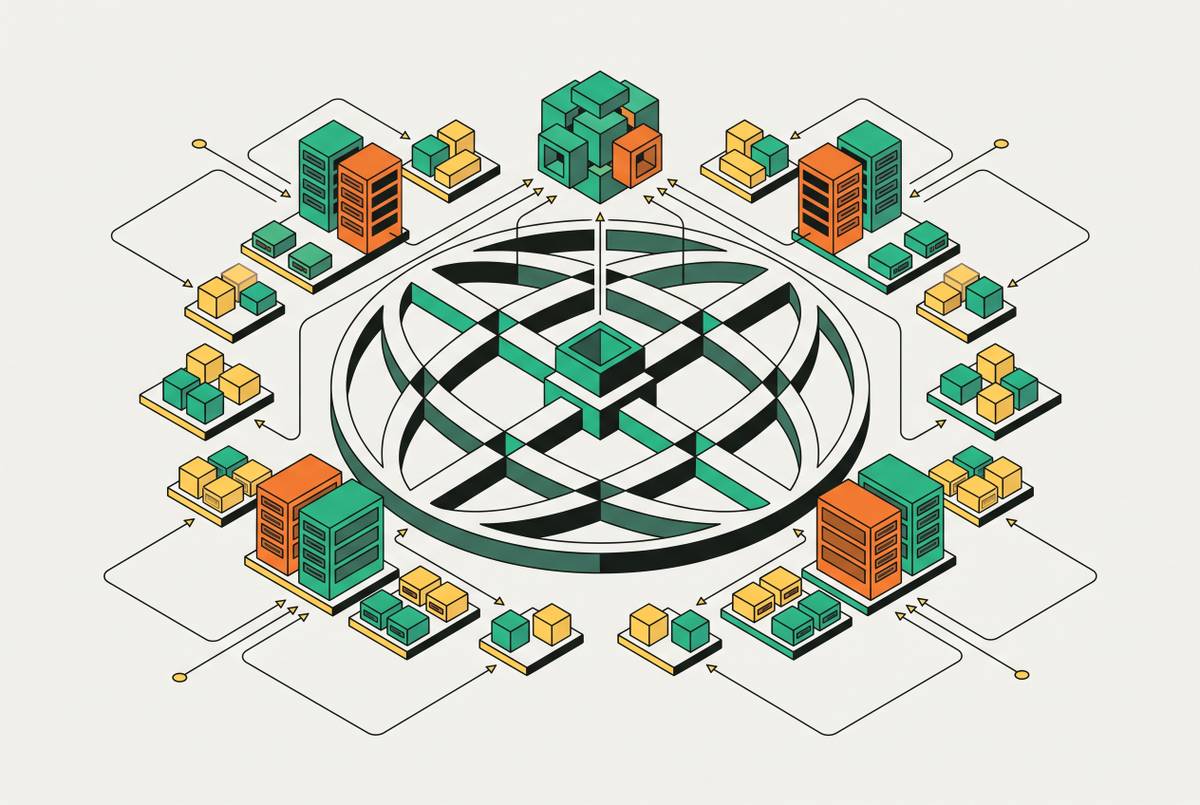
Global Latency Budgets for AI Inference APIs Served at the Edge
Physics and application type set immutable latency boundaries before architecture choices begin.
Internet Stack Review Editors·
 Network Performance
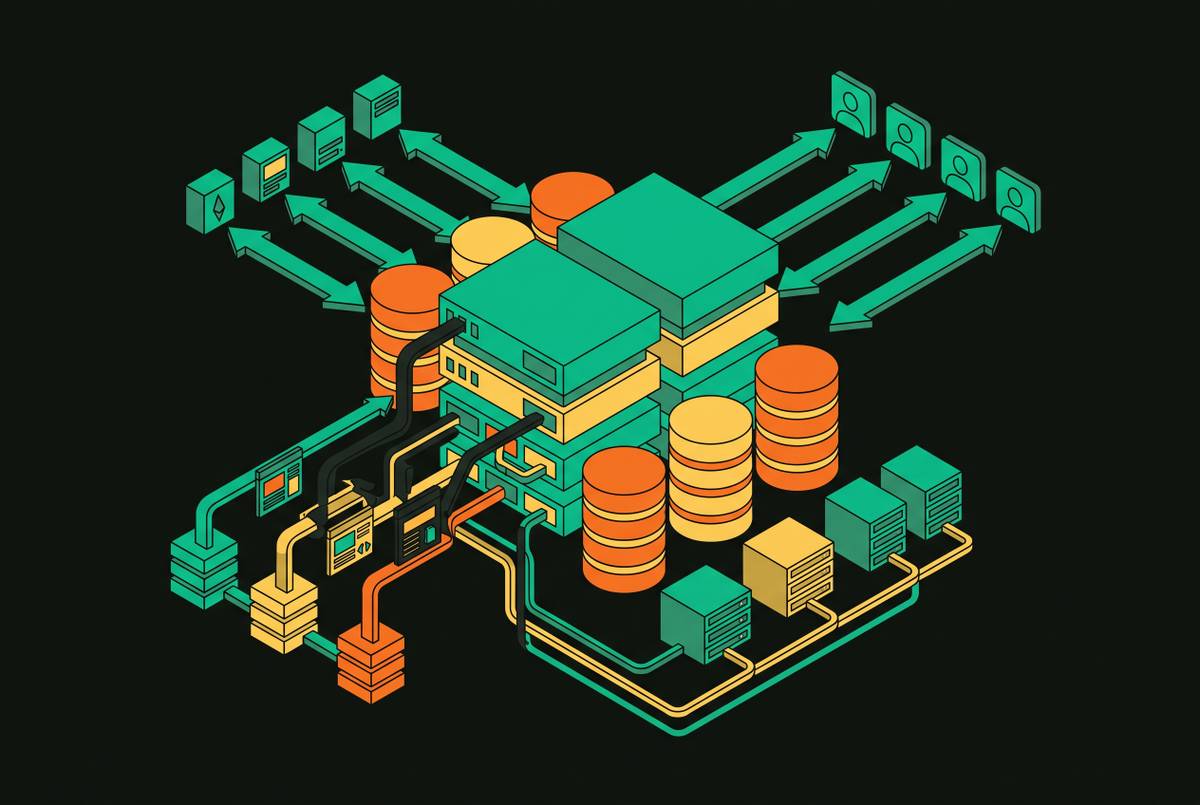
Cache Hit Rate Optimization for Dynamic and Personalized Content
Move dynamic data to the end of prompts to unlock cache efficiency.
Internet Stack Review Editors·
 Network Performance
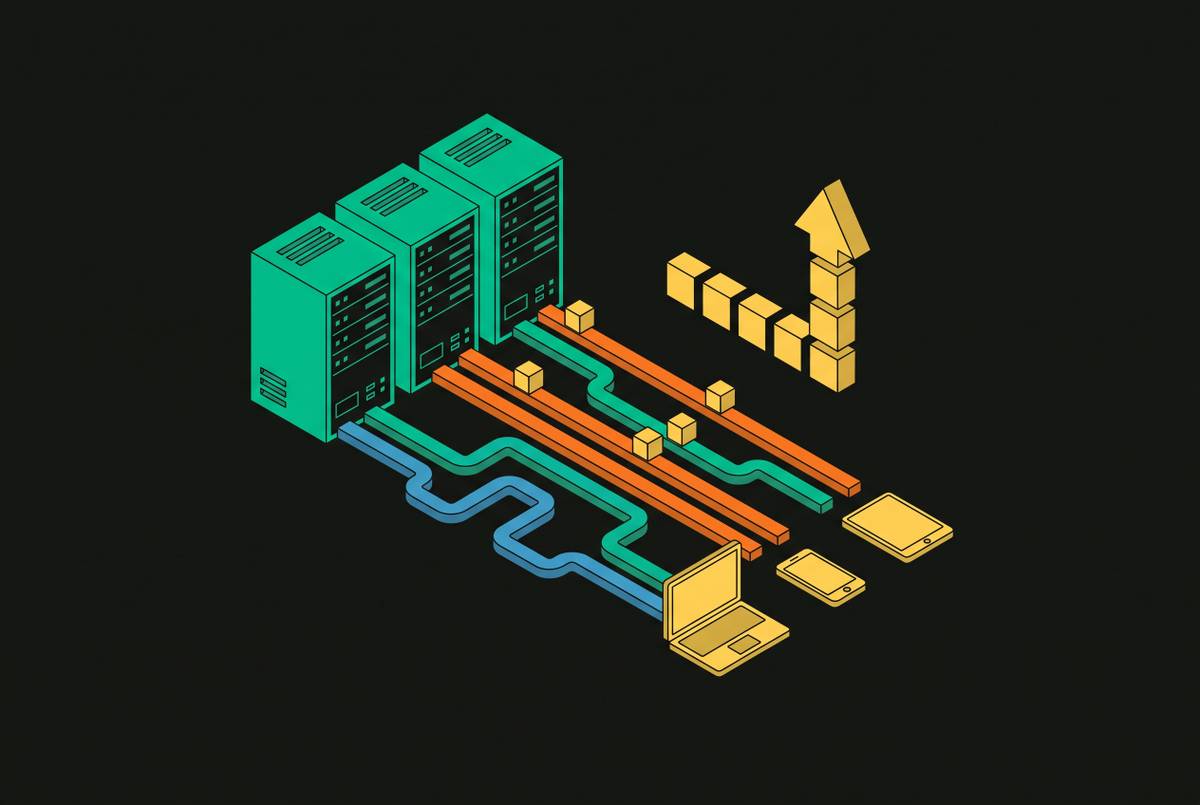
HTTP/3 and QUIC Adoption Impact on Application Performance
Real gains appear on mobile and lossy networks, not lab conditions.
Internet Stack Review Editors·
 Network Performance
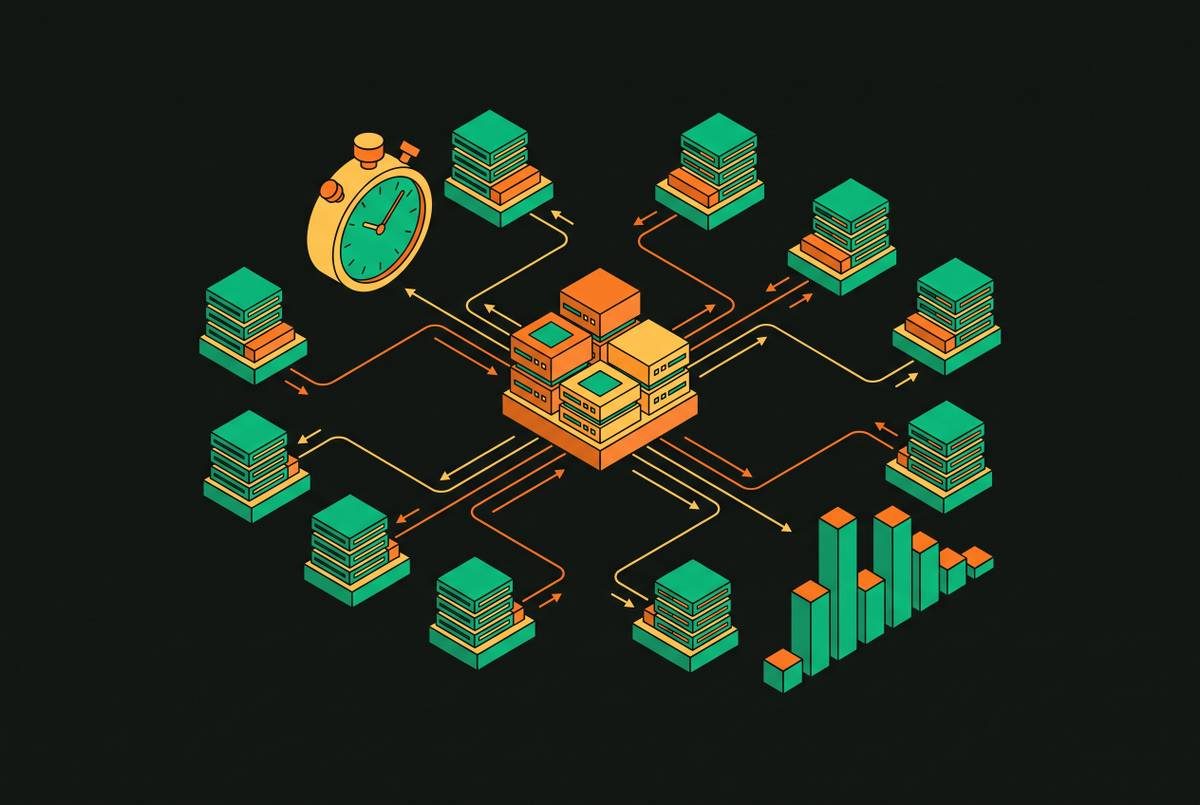
Anycast Network Latency Benchmarking Methodology
Anycast latency requires measuring which server answered each probe.
Internet Stack Review Editors·
 Network Performance
TLS Handshake Performance and Protocol Optimization at Scale
TLS 1.3 and careful cipher selection cut handshake latency by a third at scale.
Internet Stack Review Editors·
 DDoS & WAF
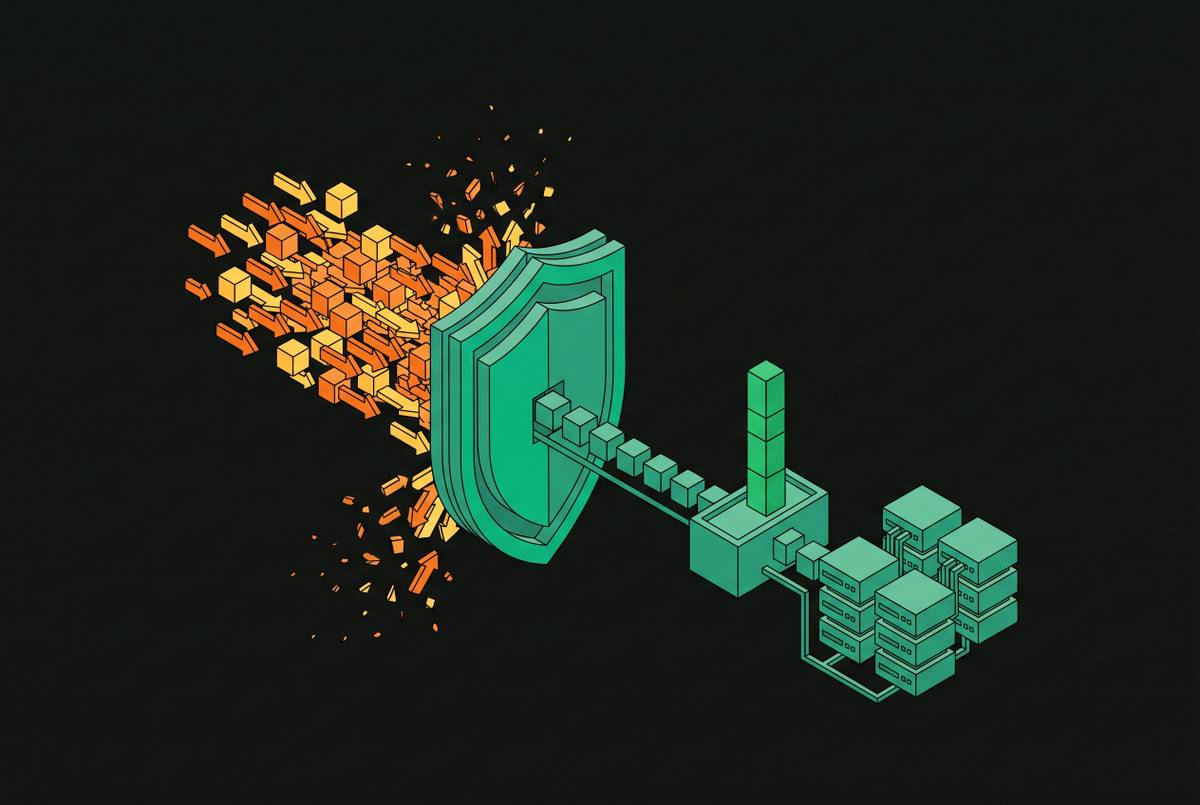
Measuring DDoS Mitigation Effectiveness With Real Traffic Data
Vendor benchmarks dodge multi-vector attacks; measure real traffic instead.
Internet Stack Review Editors·
 DDoS & WAF
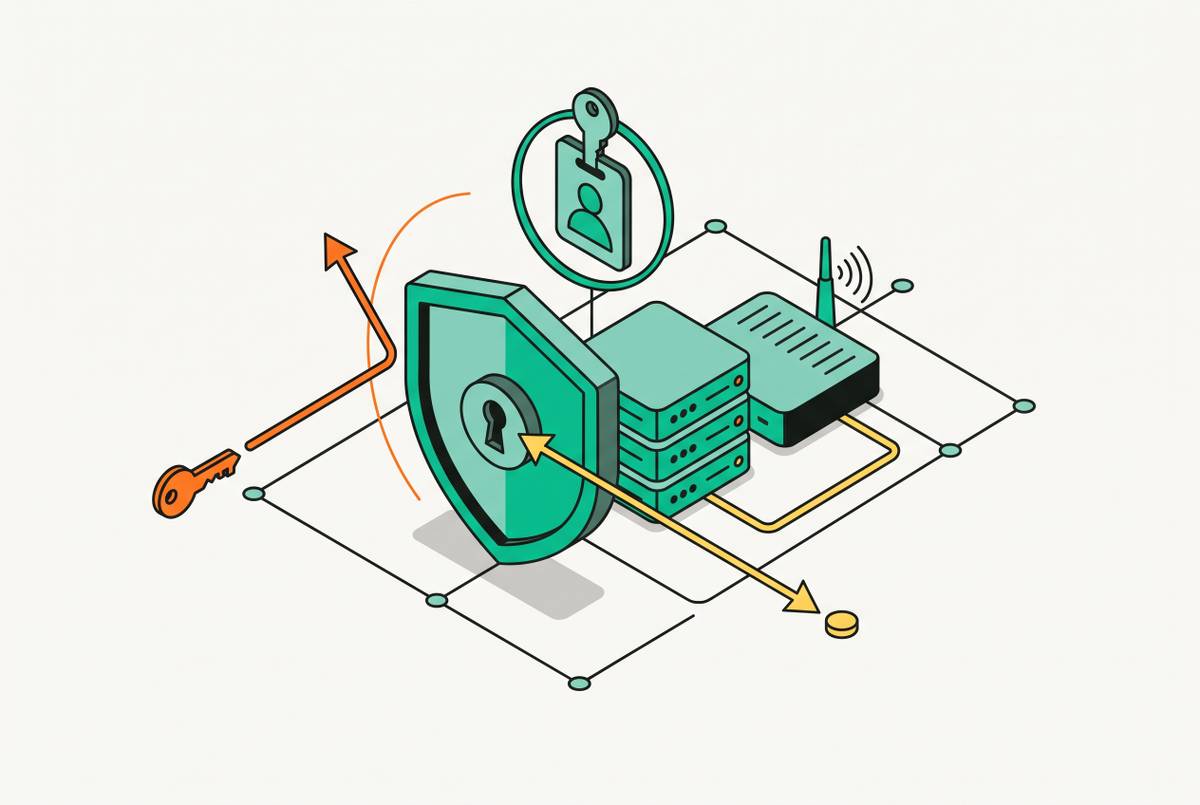
Account Takeover Prevention at the Network Edge
Blocking bot traffic at the network edge stops account takeover before it reaches login systems.
Internet Stack Review Editors·
 DDoS & WAF
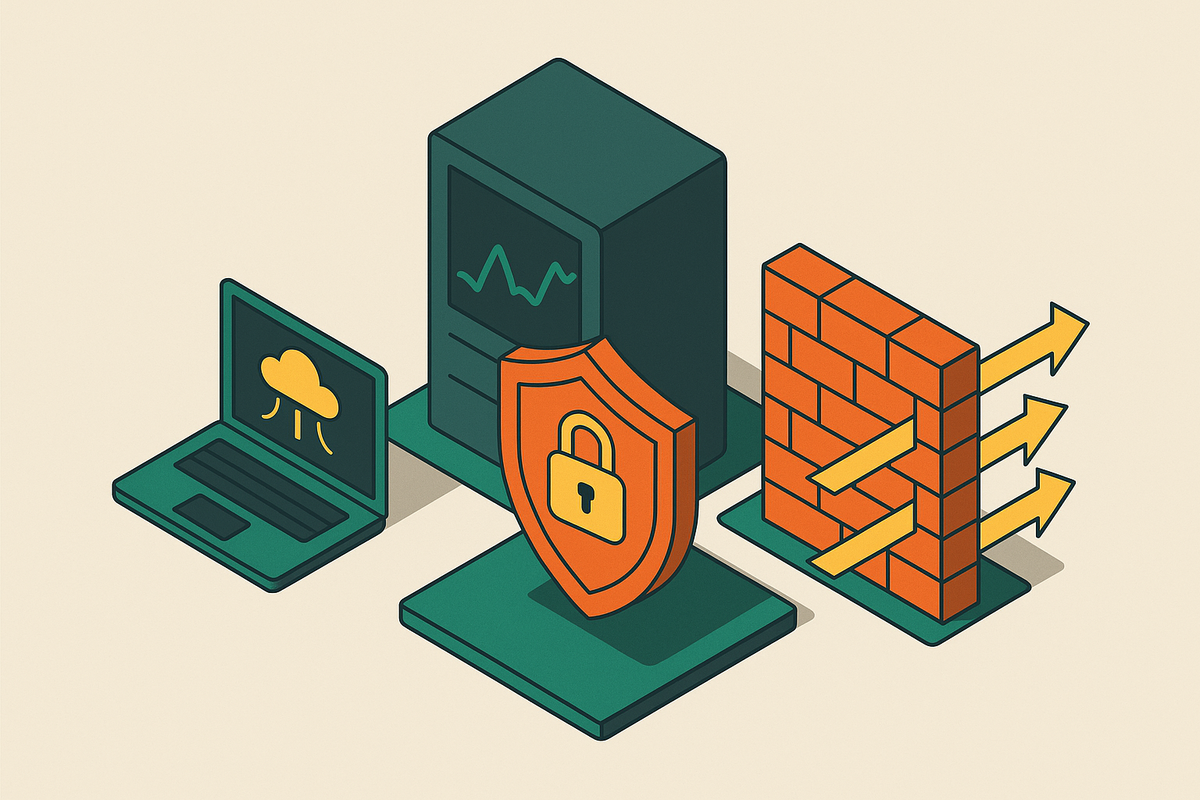
DDoS Protection for Real-Time WebSocket and gRPC Services
Persistent connections need different defenses than stateless HTTP at three attack layers.
Internet Stack Review Editors·
 DDoS & WAF
Credential Stuffing Attack Patterns and Infrastructure-Level Defenses
Attackers now harvest live credentials at industrial scale and evade standard defenses by design.
Internet Stack Review Editors·
 DDoS & WAF
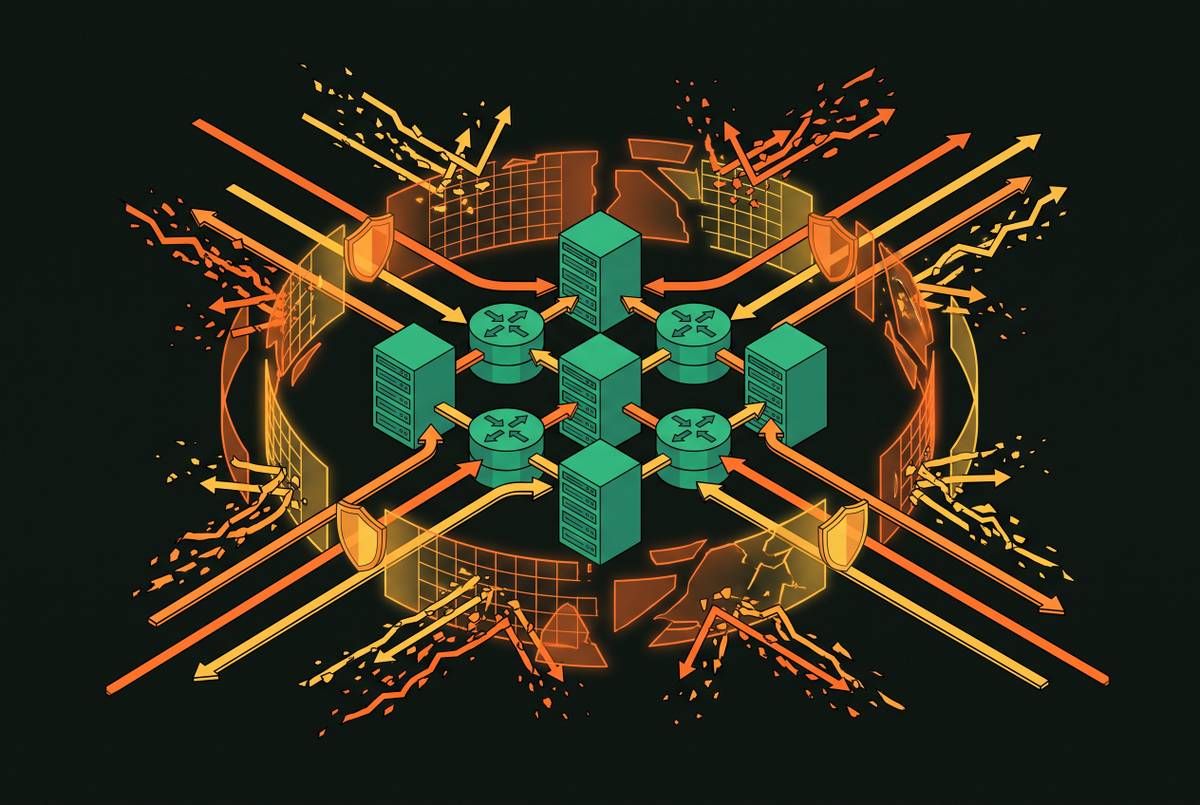
BGP Anycast and Network-Layer DDoS Absorption Architecture
Distributed anycast turns massive DDoS floods into manageable slices across hundreds of locations.
Internet Stack Review Editors·
 DDoS & WAF
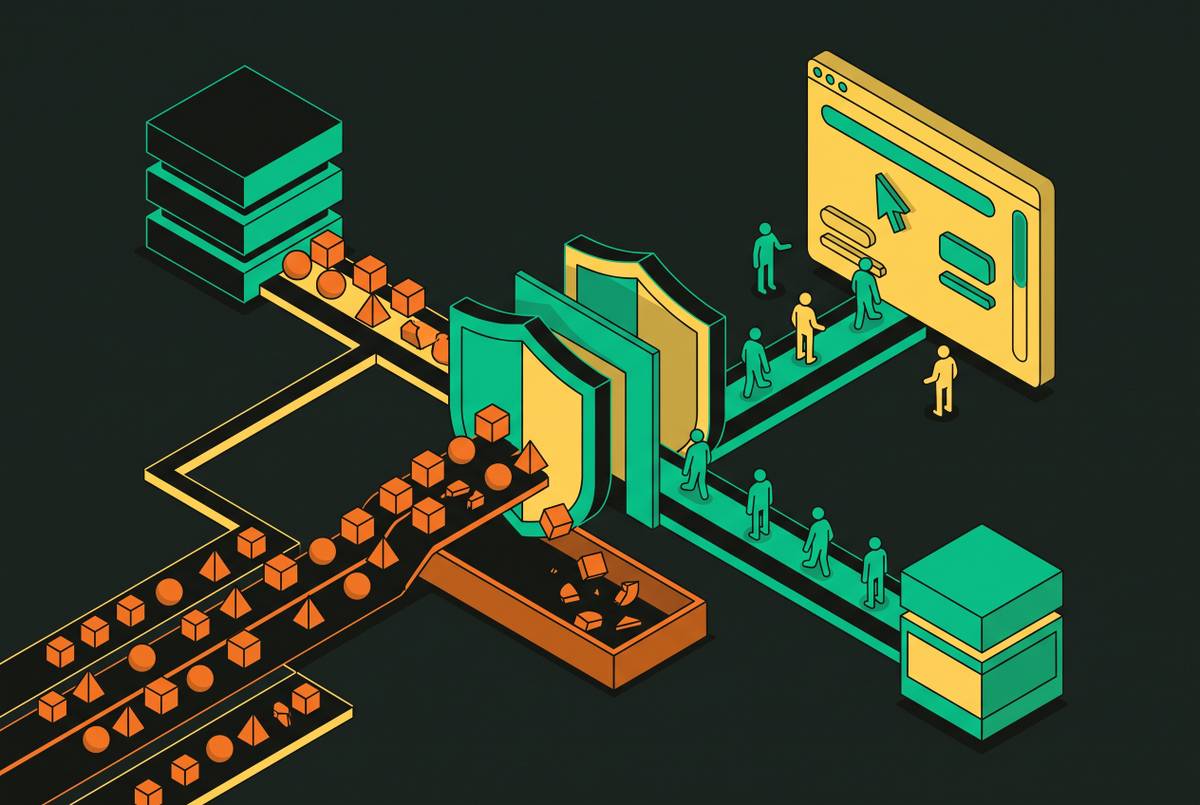
Bot Management for API Endpoints vs Web Browser Traffic
Defending APIs requires detecting different attack signals than browser bots use.
Internet Stack Review Editors·
 DDoS & WAF
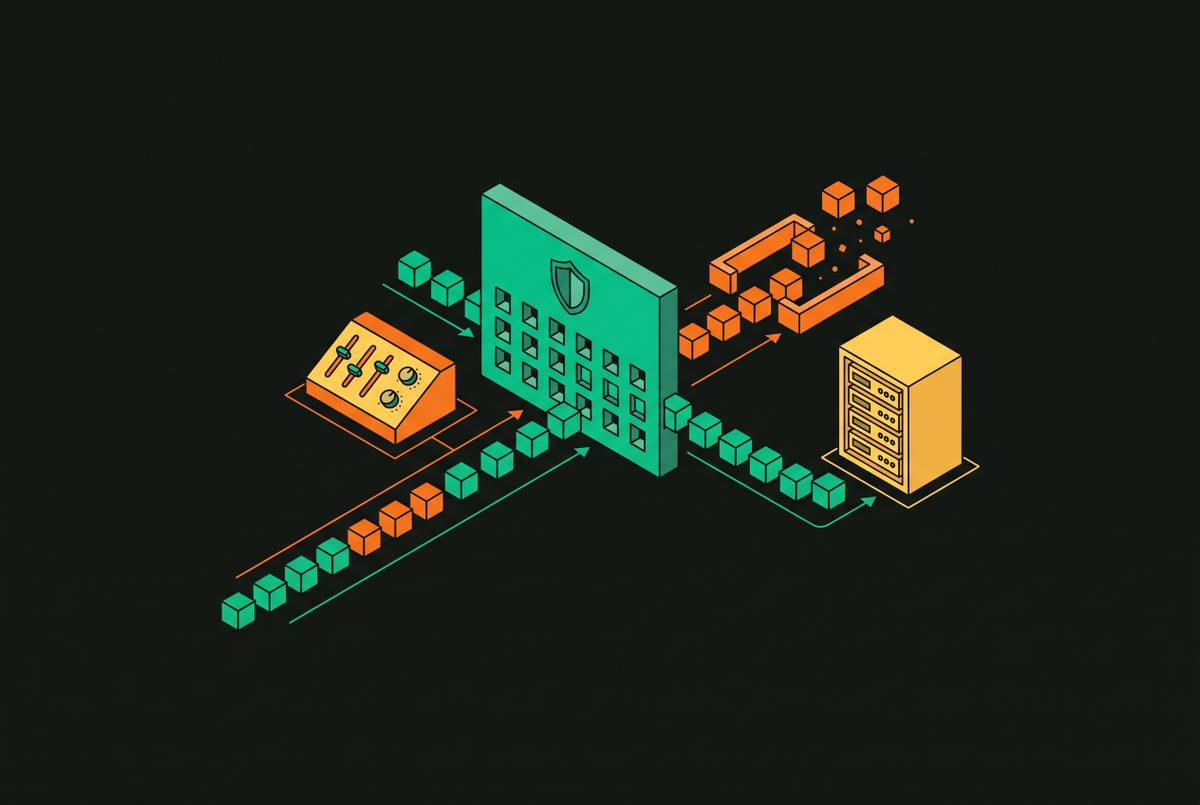
WAF Rule Tuning to Eliminate False Positives in Production
Structured tuning prevents the security decay that costs organizations millions.
Internet Stack Review Editors·
 DDoS & WAF
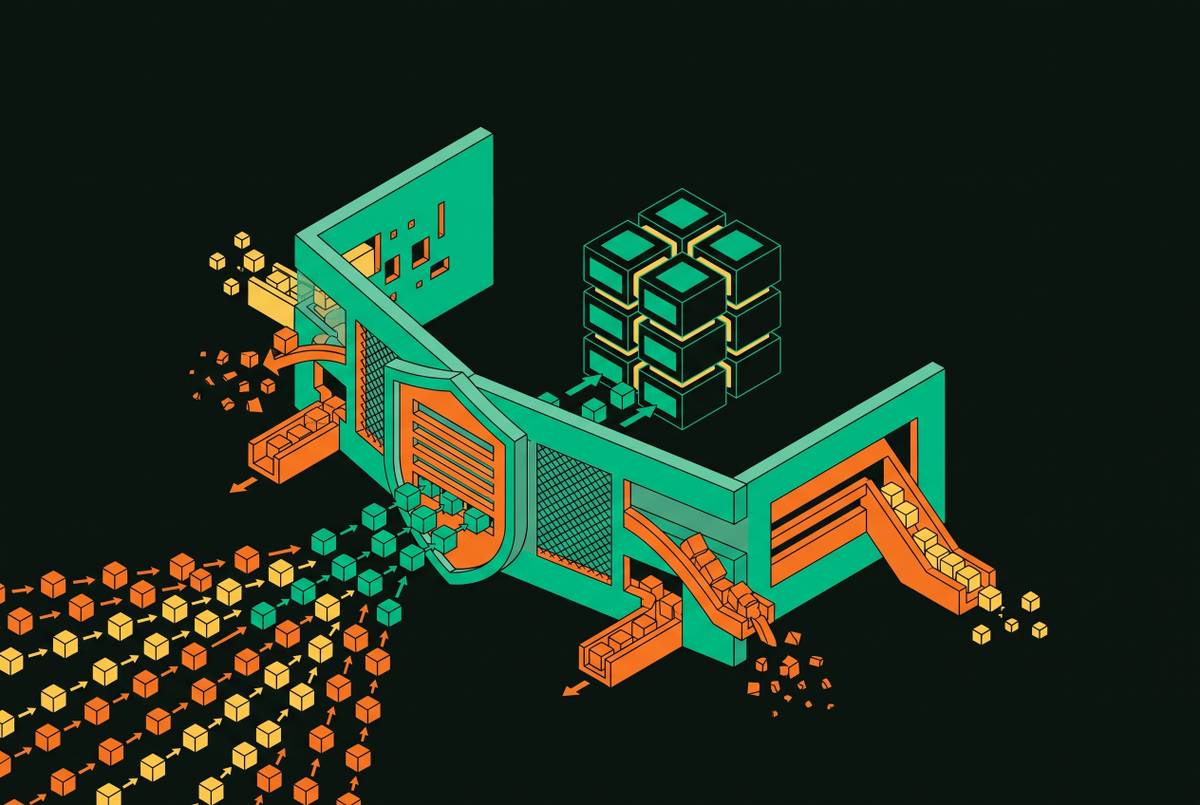
Layer 7 DDoS Mitigation for HTTP Application Endpoints
Sophisticated attacks mimic legitimate traffic, forcing defenses to work faster than attacks arrive.
Internet Stack Review Editors·
 Edge Computing
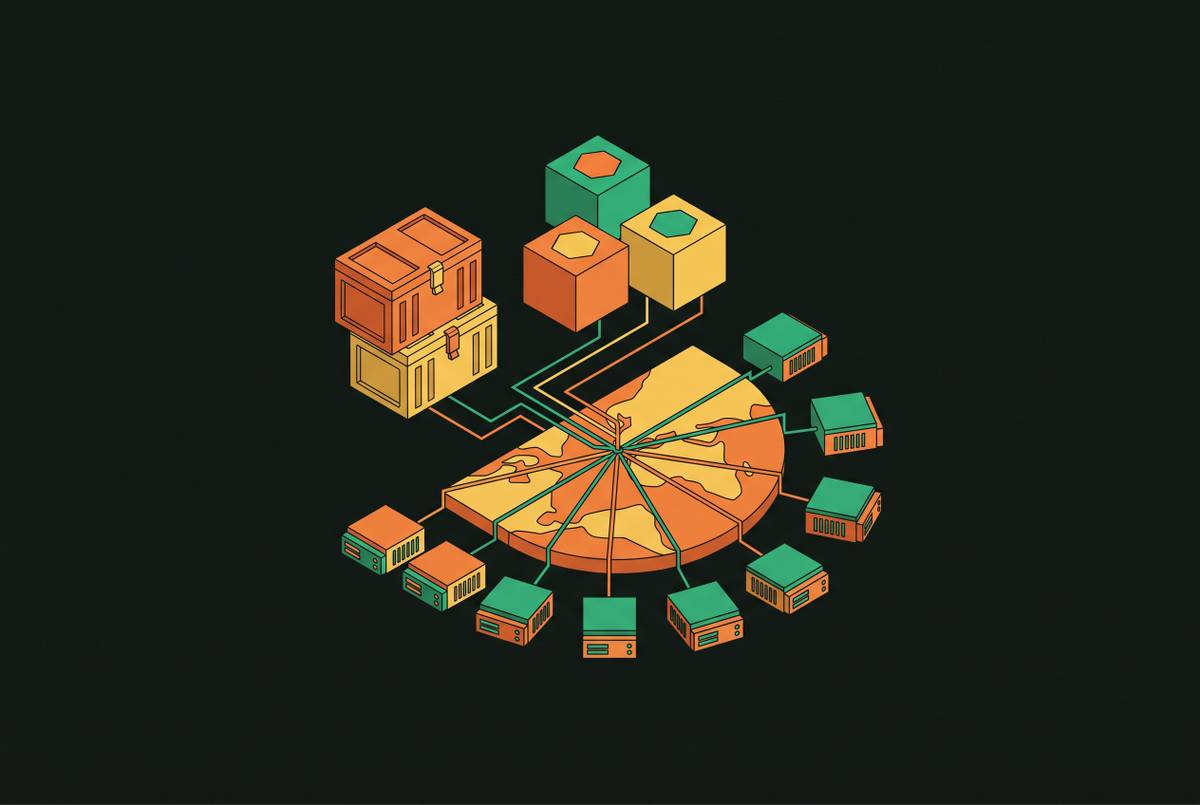
Running WebAssembly Modules at the Edge in Production
Wasm modules start in milliseconds and use a tenth the memory of containers.
Internet Stack Review Editors·
 Edge Computing
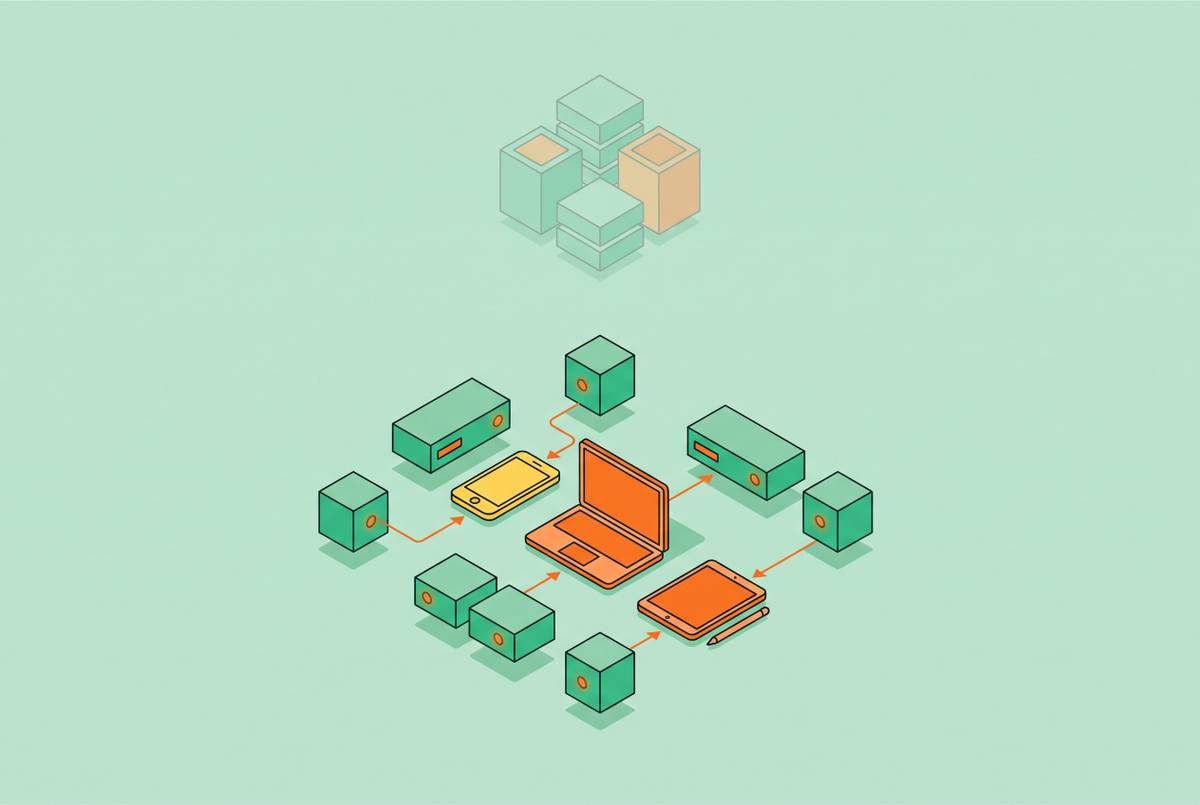
Edge Compute for Real-Time Personalization Without Backend Round-Trips
Moving personalization logic to the edge eliminates the latency that kills user experience.
Internet Stack Review Editors·
 Edge Computing
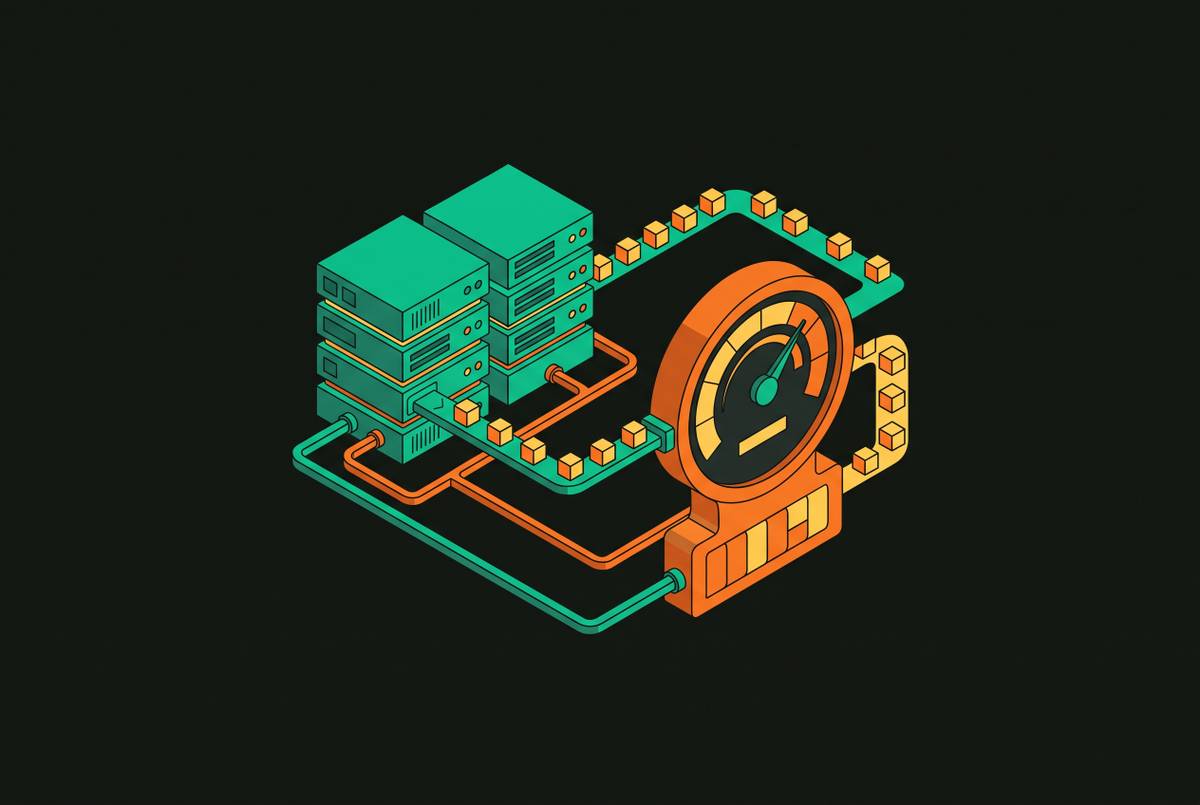
Consumption-Based Pricing Models for Edge Compute Workloads
Edge providers need billing built for workloads that move and spike, not flat fees.
Internet Stack Review Editors·
 Edge Computing
Global Data Locality for Edge Applications Without Multi-Region Complexity
Latency and compliance drive adoption of truly distributed databases over hand-managed regions.
Internet Stack Review Editors·
 Edge Computing
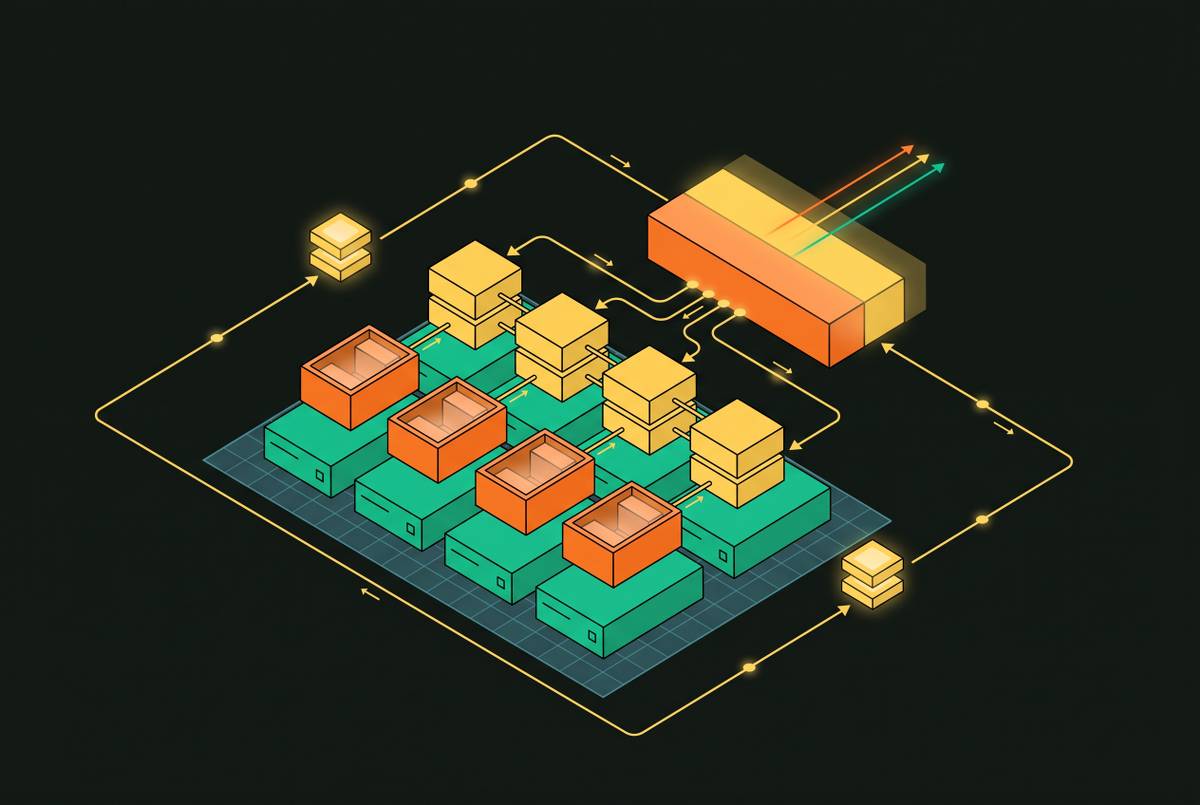
Cold Start Elimination Strategies in Serverless Production Systems
Different language choices and platform models create vastly different cold start costs to fix.
Internet Stack Review Editors·
 Edge Computing
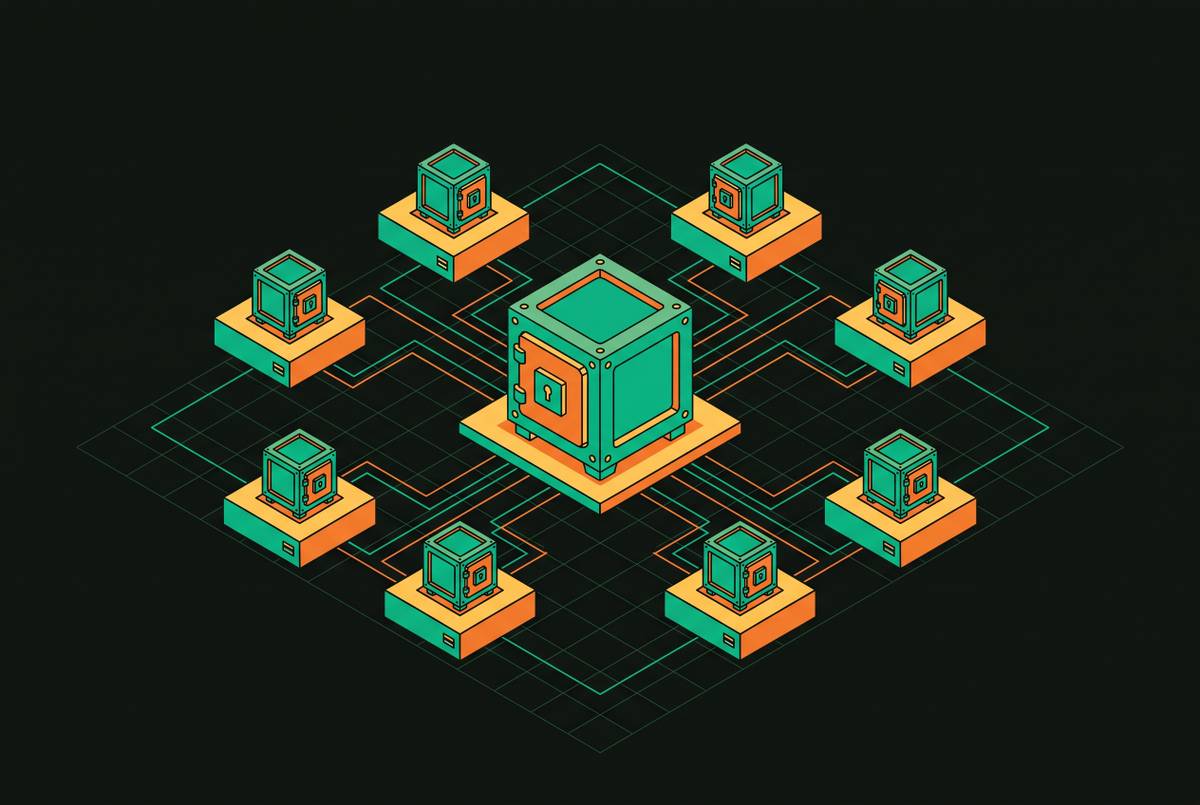
Durable Objects and Strongly Consistent State at the Edge
Durable Objects pair compute with storage to eliminate edge latency without sacrificing consistency.
Internet Stack Review Editors·
 Edge Computing
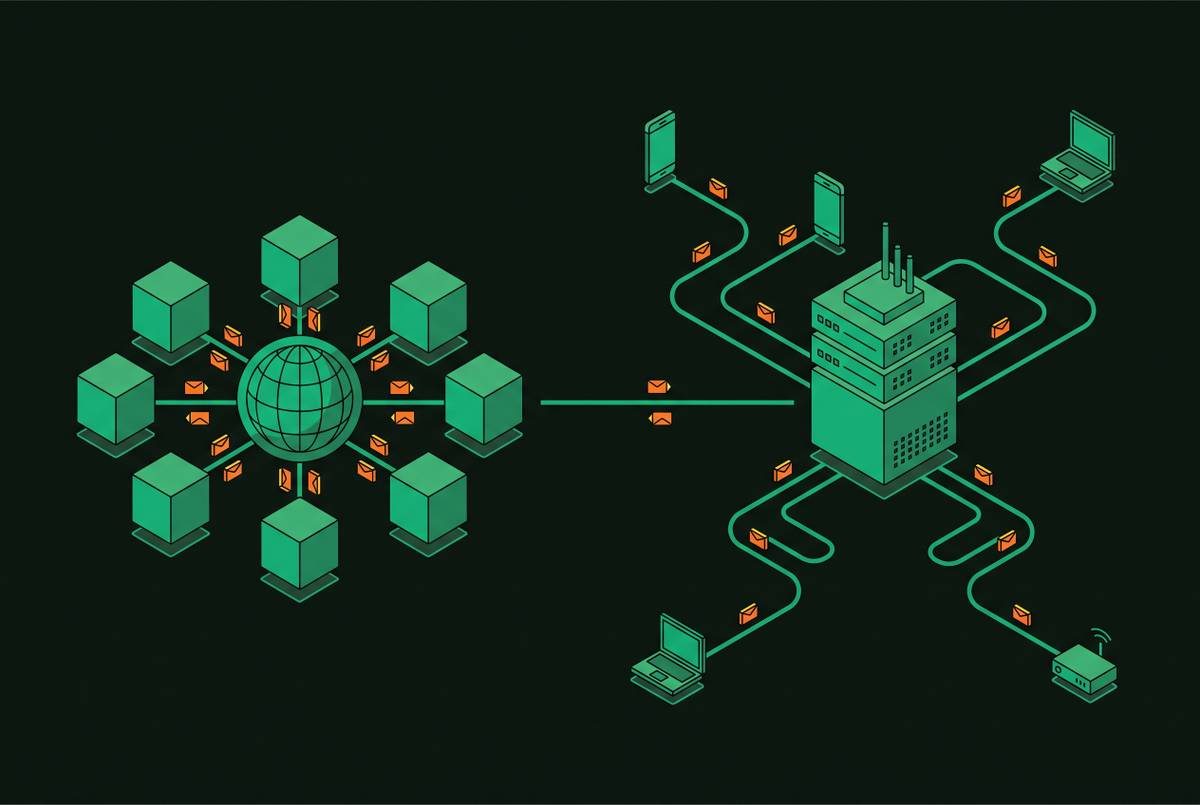
Edge Workers vs Traditional Serverless Functions for Latency-Sensitive APIs
V8 isolates beat containers on latency, but only when data lives at the edge.
Internet Stack Review Editors·
 Developer Productivity
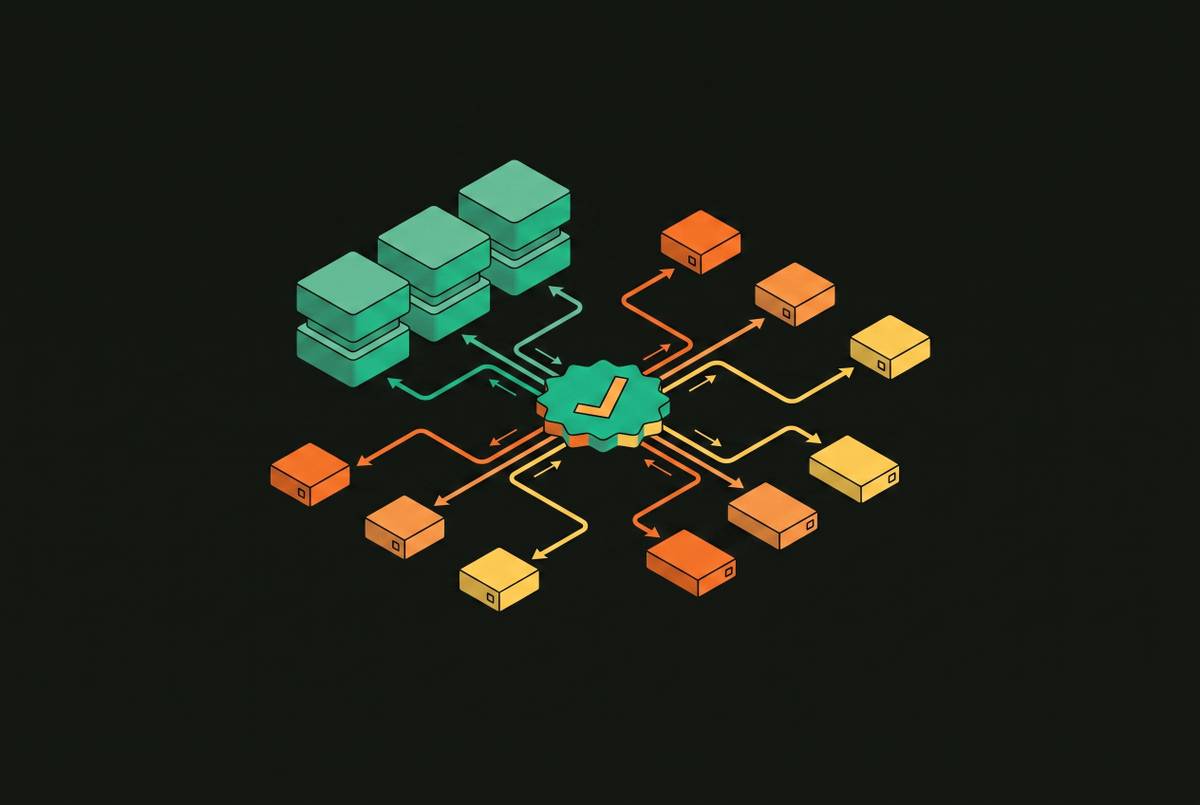
End-to-End Testing Strategies for Distributed Edge Applications
Cross-service failures hide in timing gaps that unit tests can't see and that dashboards gloss over.
Internet Stack Review Editors·
 Features
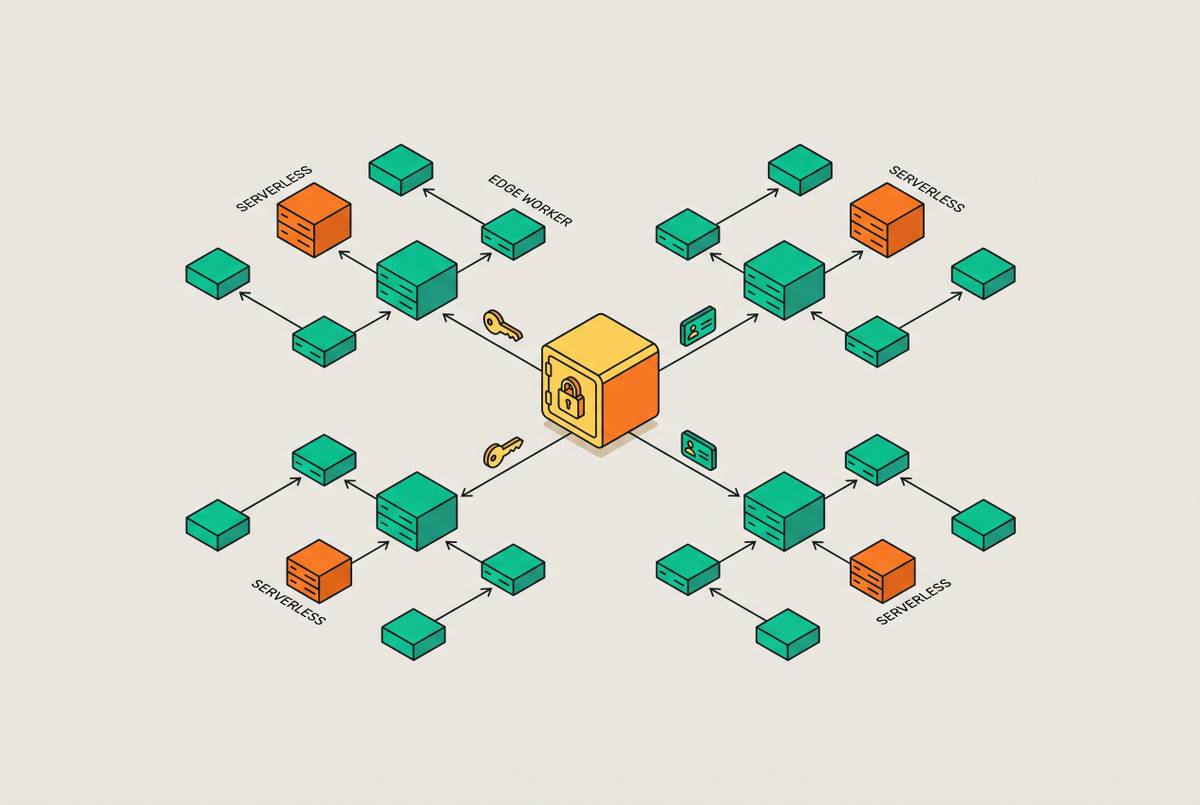
Secrets Management for Serverless and Edge Worker Applications
Inject secrets at the Worker runtime layer, not fetched from a vault during execution.
Internet Stack Review Editors·
 Developer Productivity
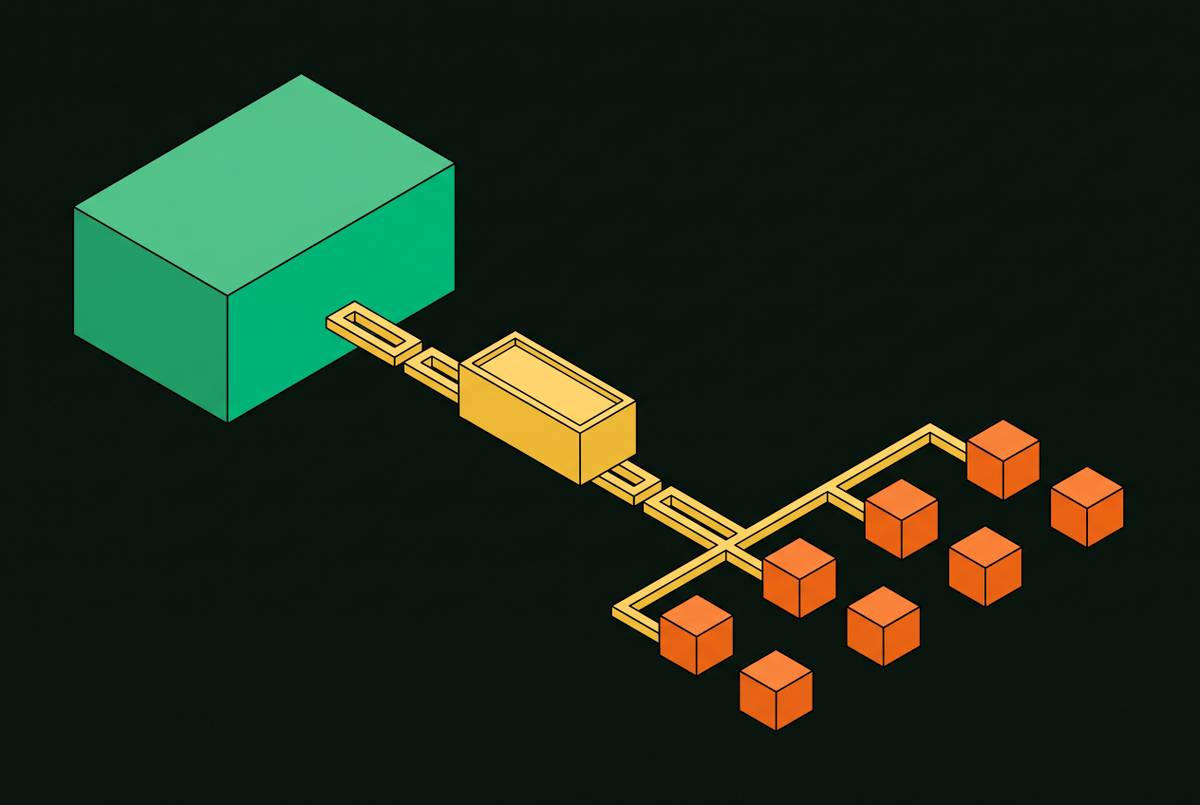
Migrating from AWS Lambda to Edge Workers Without Rewriting Business Logic
Remove cold starts and run business logic from edge locations instead of distant regions.
Internet Stack Review Editors·
 Developer Productivity
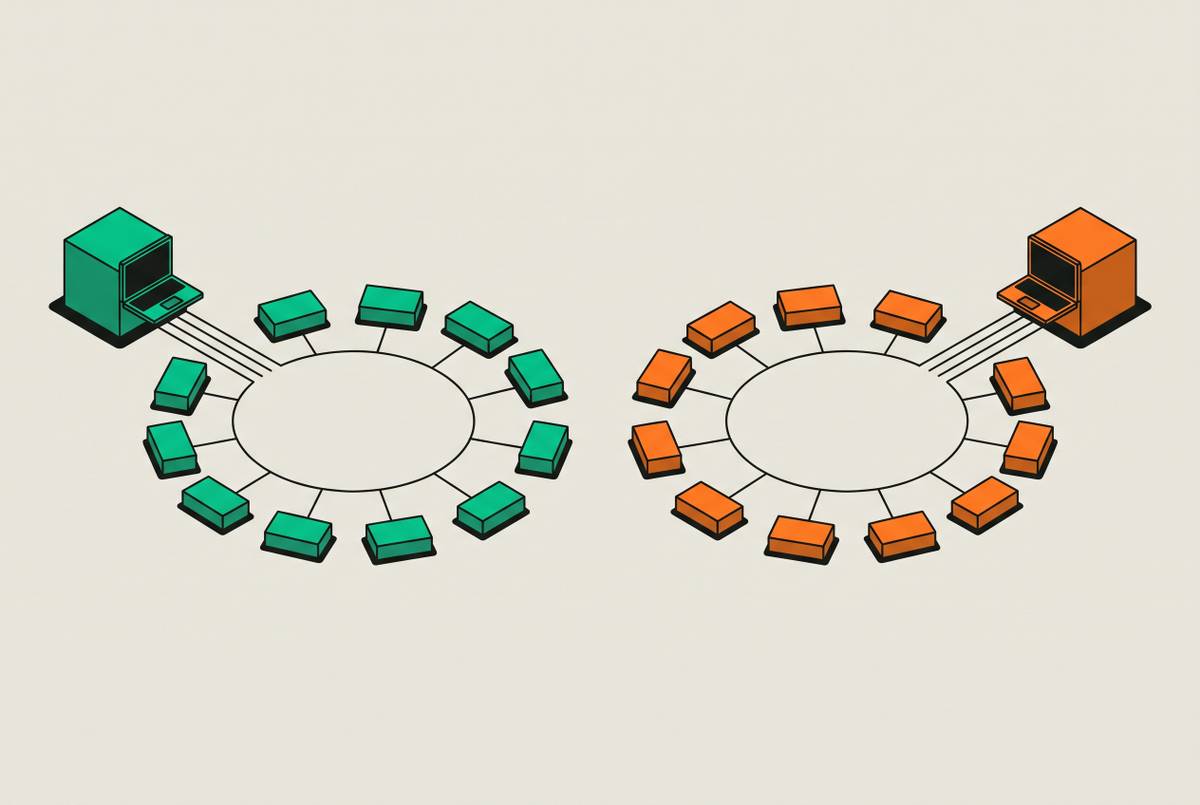
Local Development Environments That Match Edge Runtime Behavior
Developers unknowingly ship edge bugs because local environments hide real production constraints.
Internet Stack Review Editors·
 Developer Productivity
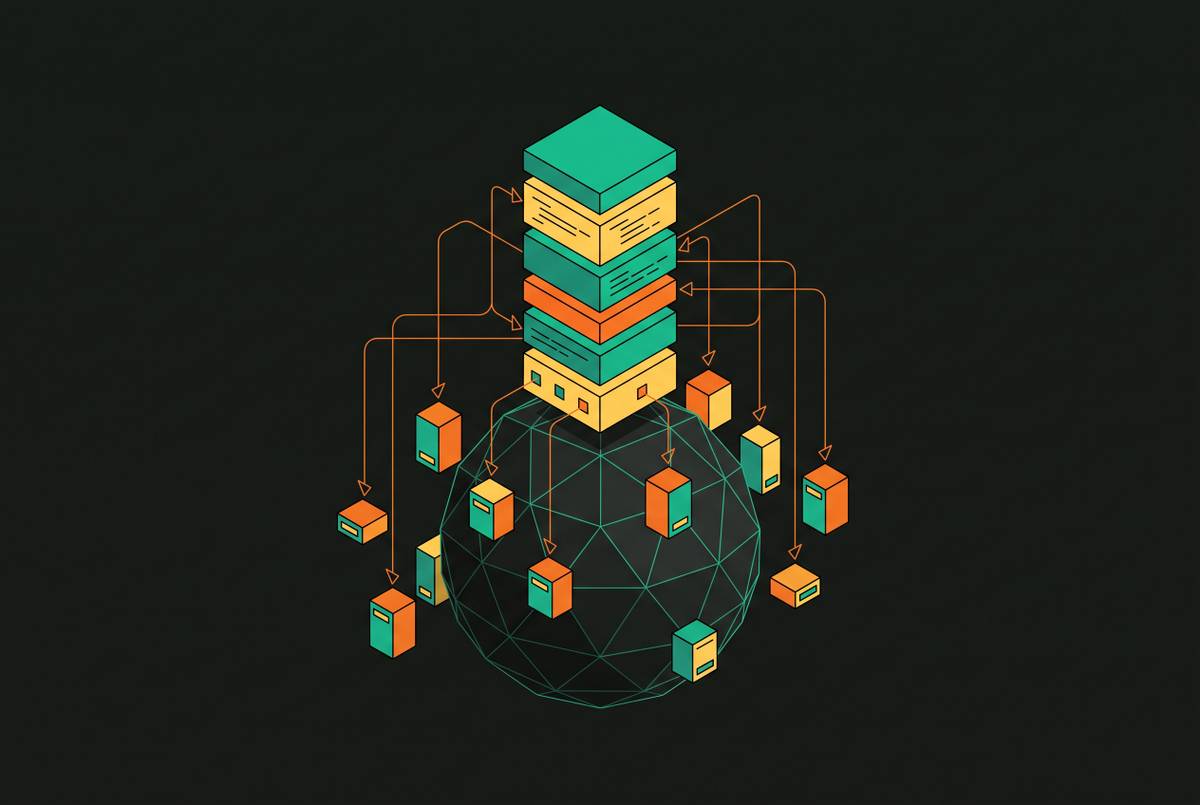
Infrastructure-as-Code for Global Edge Network Configuration
How codifying network config in version control replaces manual edge deployments.
Internet Stack Review Editors·
 Zero Trust & SASE
Single-vendor SASE platforms recognized across Gartner Magic Quadrant categories
Gartner's three separate reports expose which SASE components are genuinely integrated.
Internet Stack Review Editors·
 Zero Trust & SASE
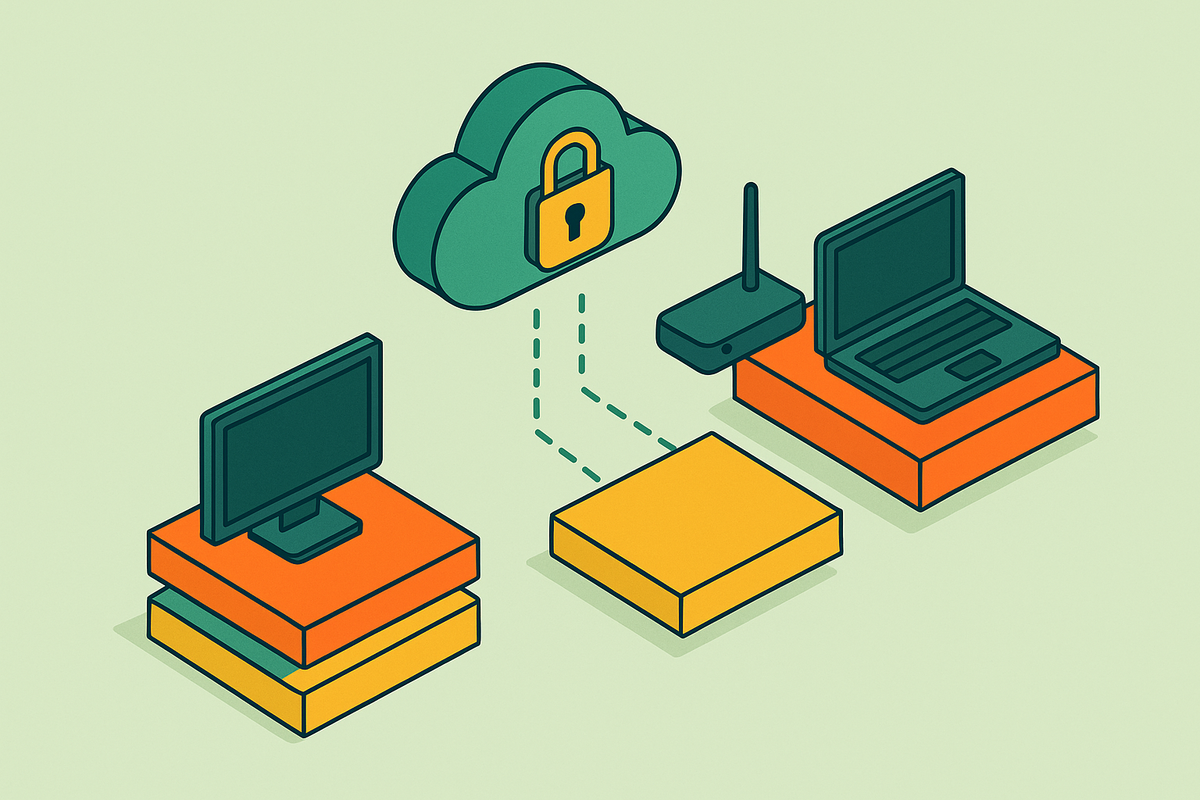
ZTNA connector architectures compared across enterprise platforms
Connector architecture determines whether your applications stay hidden from the internet.
Internet Stack Review Editors·
 MCP Governance
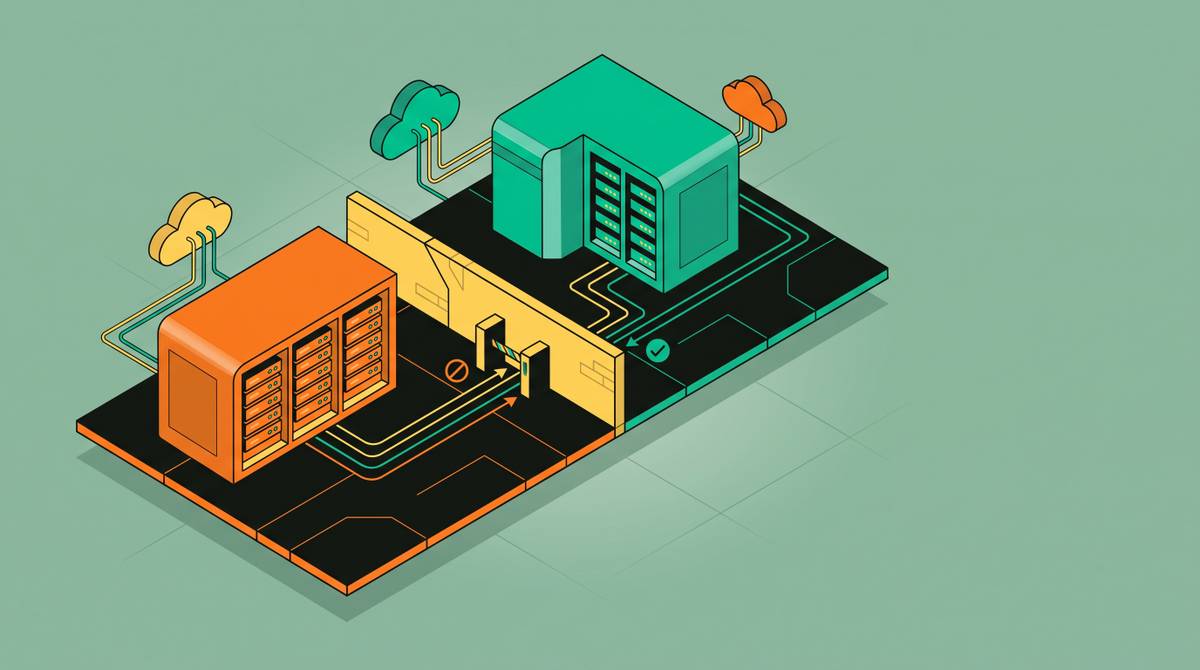
Data Residency Constraints in Cross-Border AI Inference
Hosting AI models abroad can quietly violate data protection laws with every API call.
Internet Stack Review Editors·
 MCP Governance
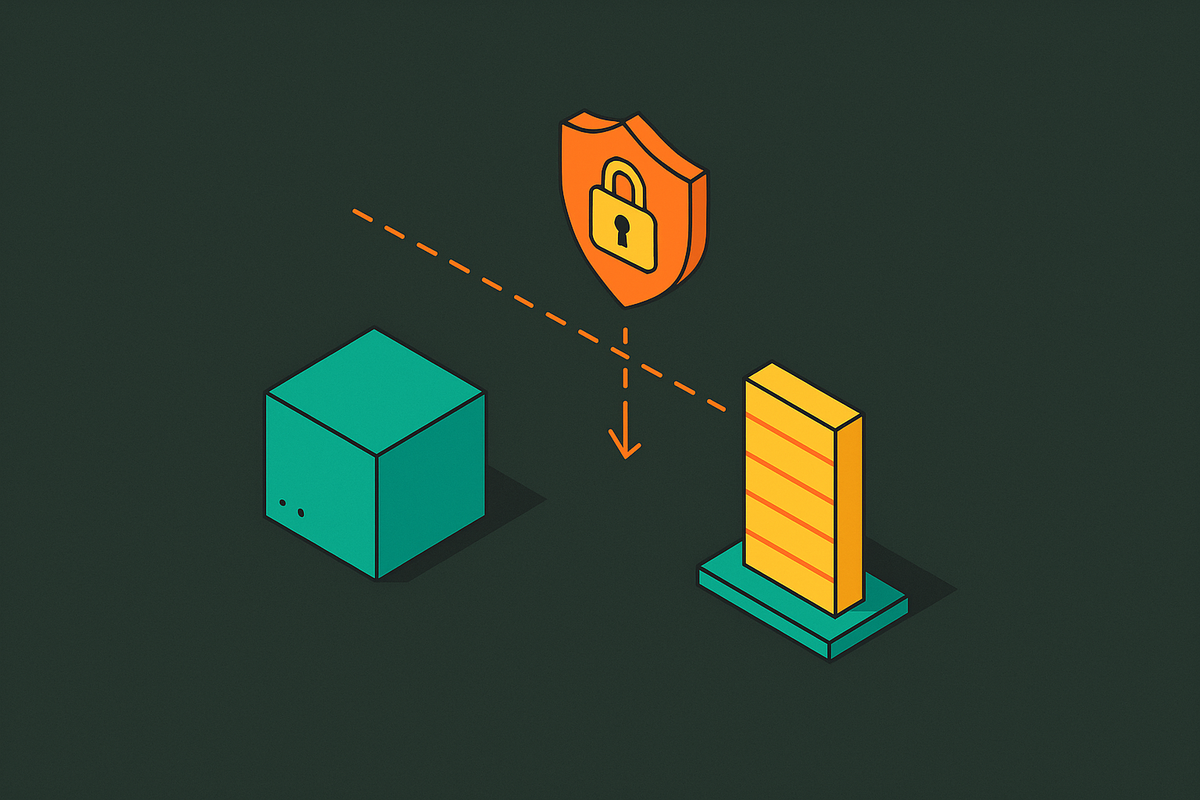
Rate Limiting and Abuse Prevention for Public MCP Endpoints
Protect MCP servers from the abuse patterns that autonomous agents create, not the ones people do.
Internet Stack Review Editors·
 MCP Governance
Auditing and Logging AI Agent Actions for Compliance
Only 17% of firms log where AI agent errors actually compound—between agents themselves.
Internet Stack Review Editors·
 MCP Governance
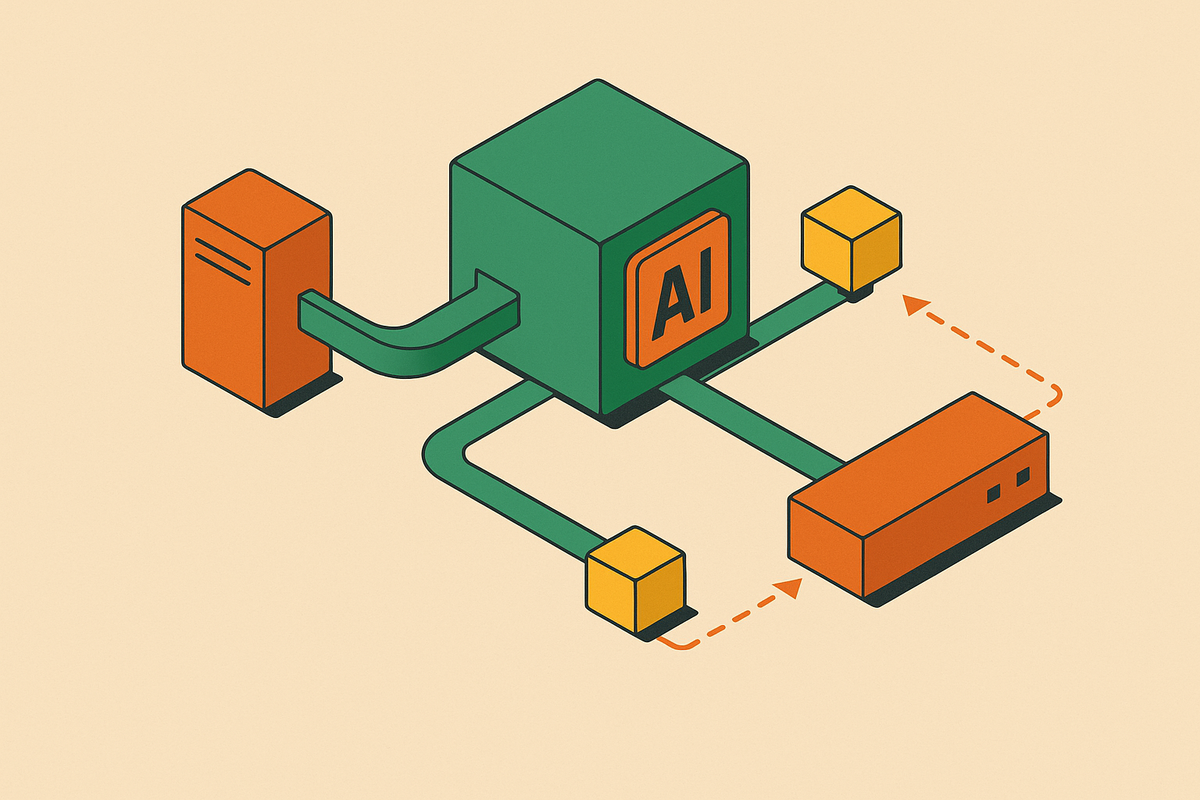
AI Inference Routing and Model Fallback Strategies
AI systems need routing and fallback layers to survive provider outages without going down.
Internet Stack Review Editors·
 MCP Governance
Access Control and Scoping for MCP Tool Servers
Most MCP deployments lack access controls, leaving agents with dangerous tool permissions.
Internet Stack Review Editors·
 Zero Trust & SASE
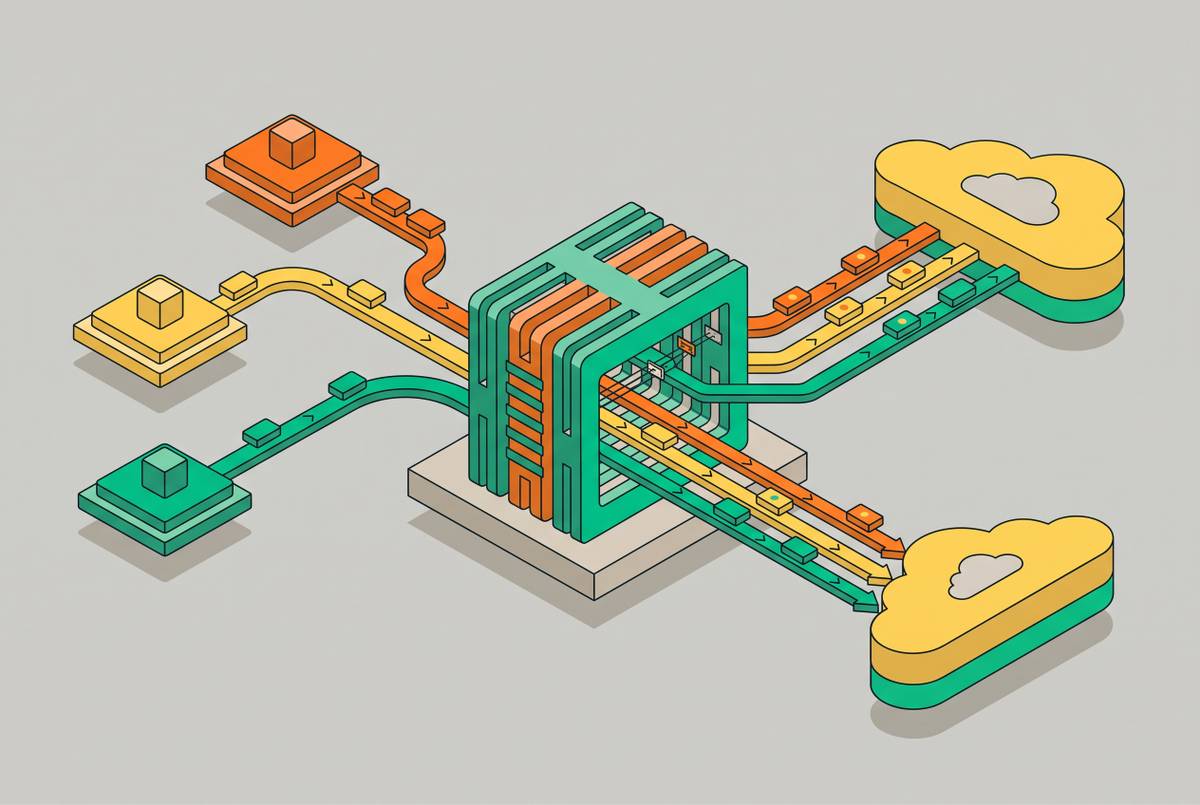
Inline Traffic Inspection for SaaS Applications in SASE
Encrypted SaaS traffic hides threats that connection-level controls cannot see.
Internet Stack Review Editors·
 Zero Trust & SASE
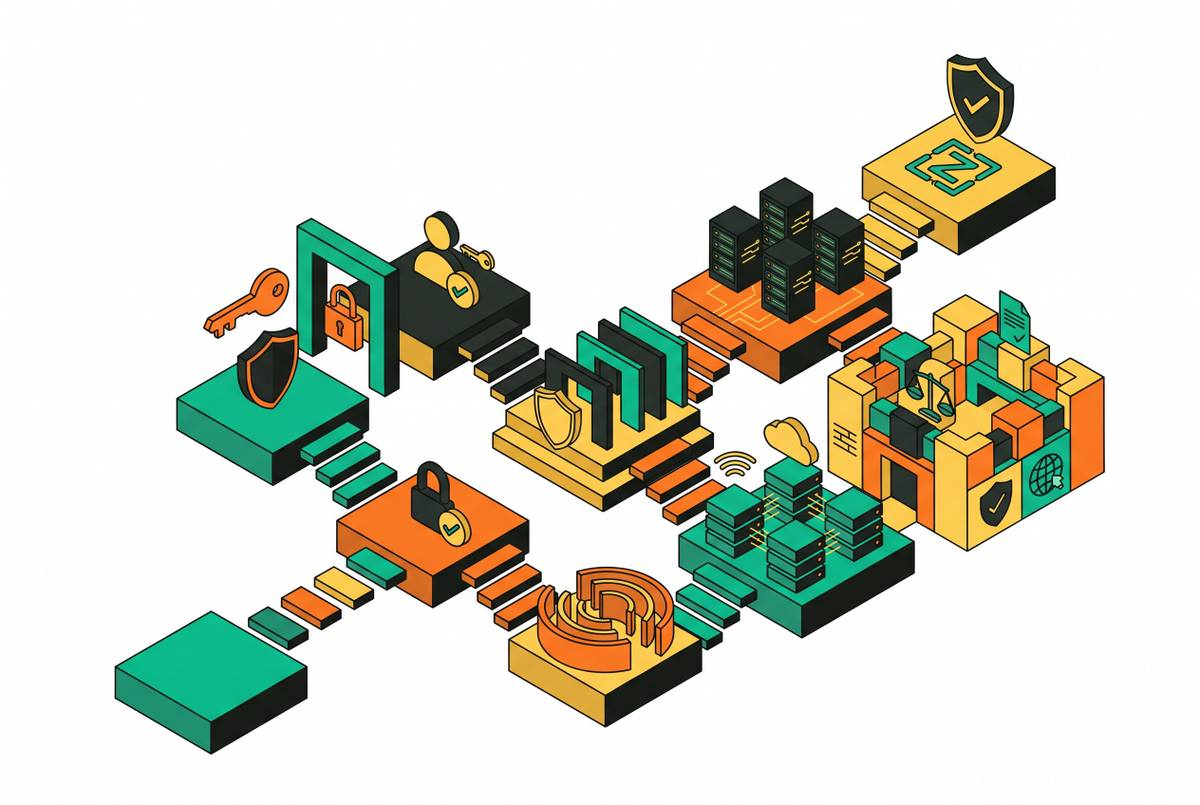
Zero Trust Adoption Roadmap for Regulated Industries
Compliance mandates force a specific sequence that generic Zero Trust pitches ignore.
Internet Stack Review Editors·
 Zero Trust & SASE
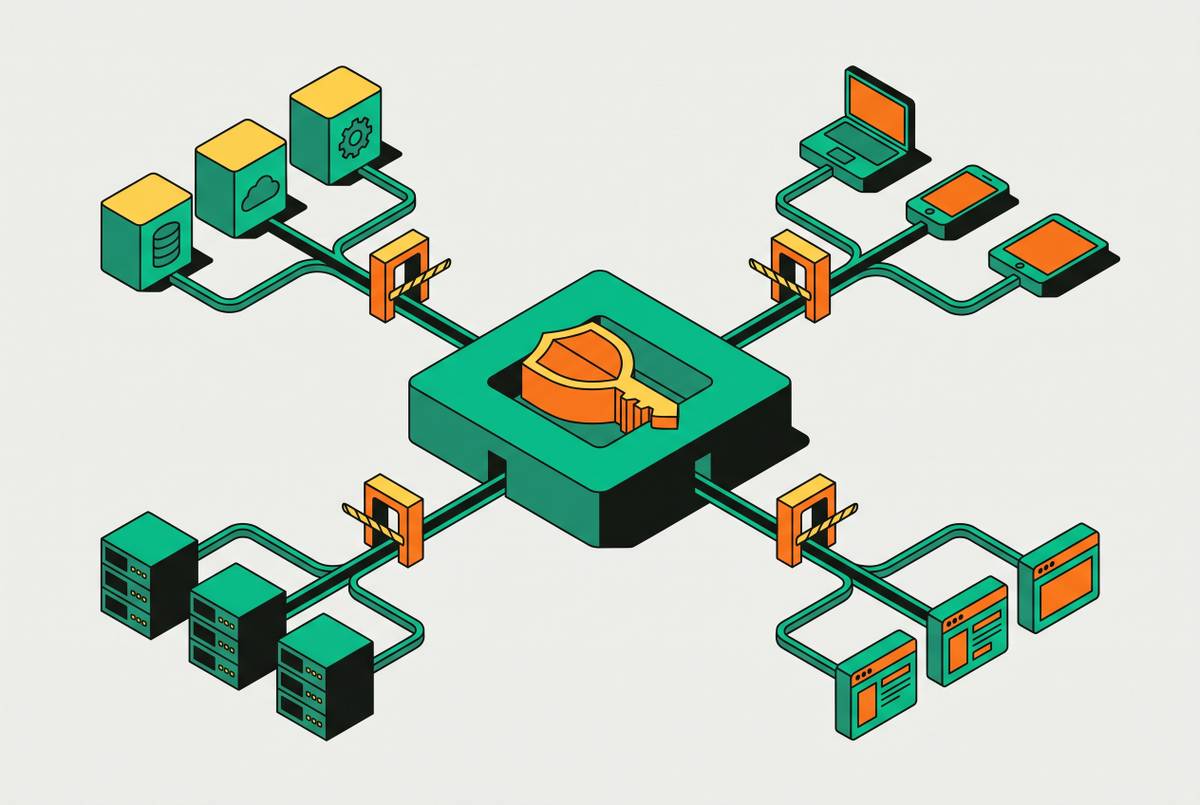
Identity Provider Integration in Zero Trust Deployments
Identity must feed every Zero Trust control point or attackers slip through the gaps.
Internet Stack Review Editors·
 Zero Trust & SASE
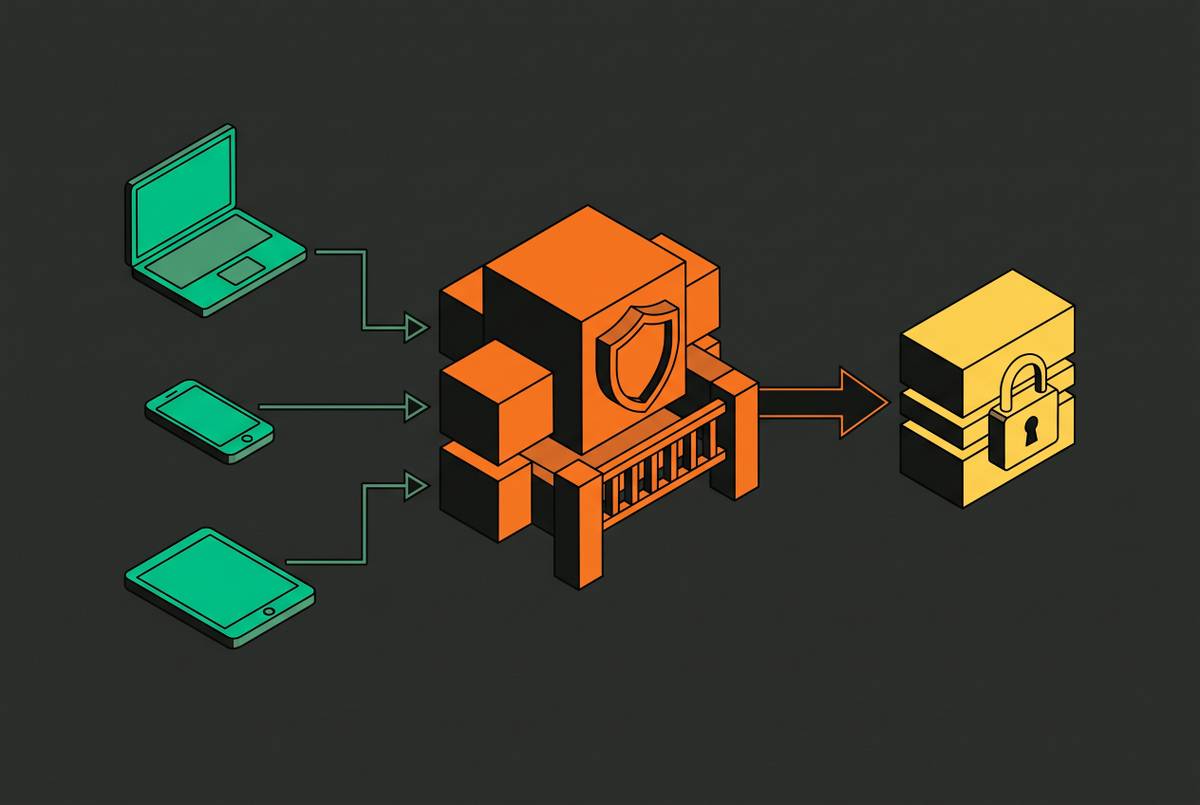
Device Posture Checks in a Zero Trust Policy Engine
Valid credentials alone can't stop breaches—devices must be evaluated too.
Internet Stack Review Editors·
 Zero Trust & SASE
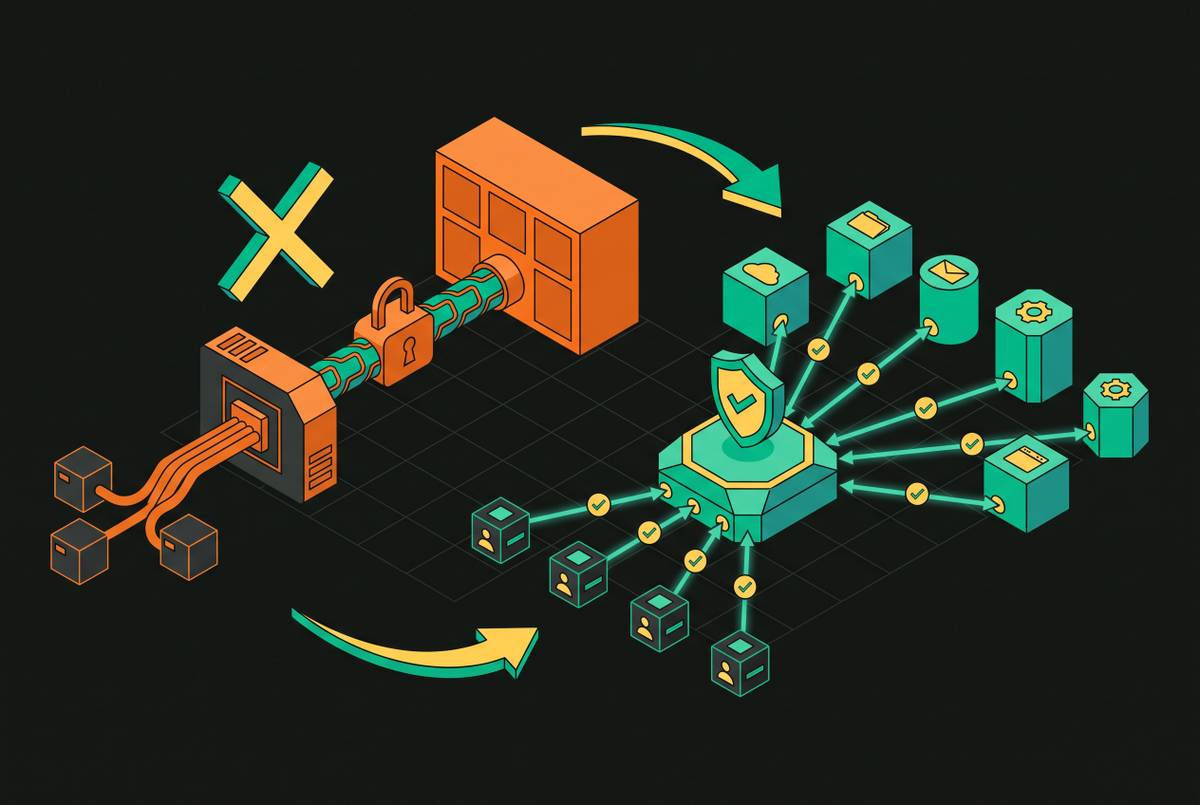
Replacing Corporate VPN with Zero Trust Network Access
Zero Trust closes security gaps that VPN's broad access model leaves open.
Internet Stack Review Editors·
 AI Agent Deployment
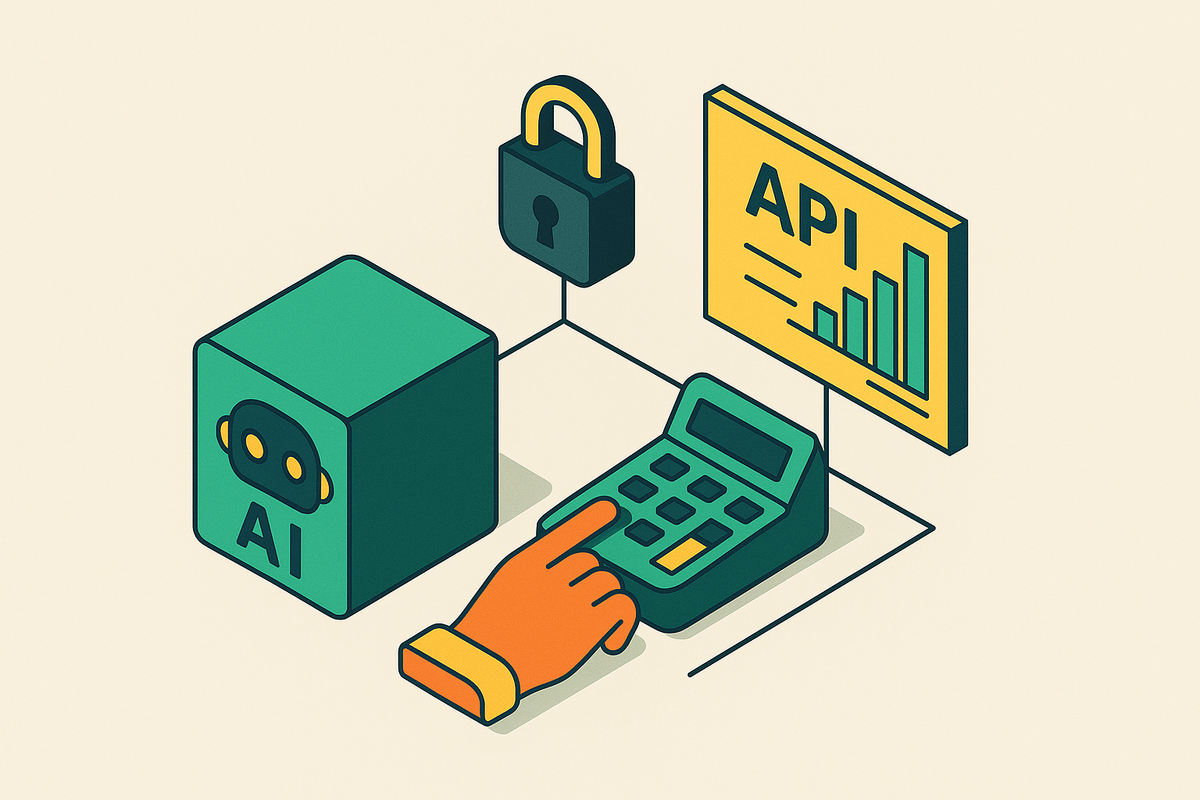
AI Agent Tool Use and External API Rate Limit Management
Agents now call APIs fast enough to blow through rate limits designed for human speed.
Internet Stack Review Editors·
 AI Agent Deployment
Debugging and Observability for Agentic Pipelines
Traditional monitoring assumes determinism agents simply don't offer.
Internet Stack Review Editors·
 AI Agent Deployment
Cost Modeling for Production AI Agent Workloads
Five cost centers, not model spend alone, determine agent budget reality.
Internet Stack Review Editors·
 AI Agent Deployment
Deploying AI Agents Globally Without Regional Re-Architecture
State management is the real blocker; solve it and global deployment becomes straightforward.
Internet Stack Review Editors·
 AI Agent Deployment
AI Agent Identity and Authentication Between Services
Most organizations lack basic governance for AI agent identities growing 25% annually.
Internet Stack Review Editors·
 AI Agent Deployment
Agentic Workflow Orchestration Patterns in Production
Five patterns for coordinating concurrent agents without chaos or replay costs.
Internet Stack Review Editors·
 MCP Governance
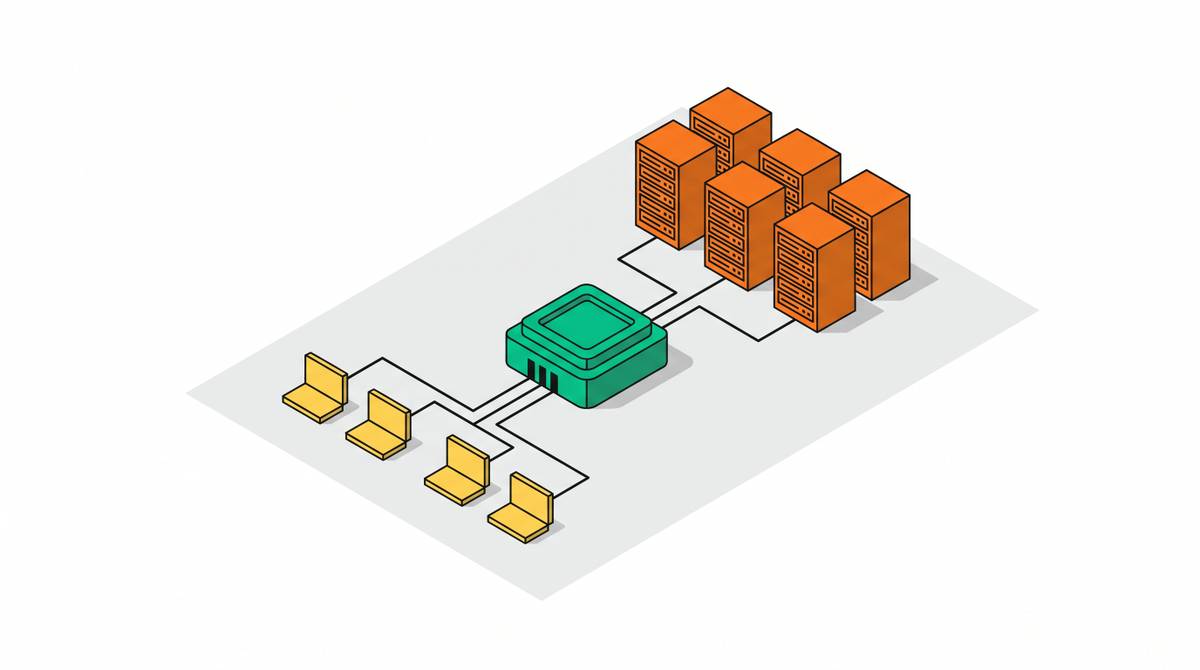
How MCP Servers, Clients, and Hosts Fit Together in an Enterprise Portal
MCP leaves permission, audit, and identity governance to enterprises to solve themselves.
Internet Stack Review Editors·
 AI Agent Deployment
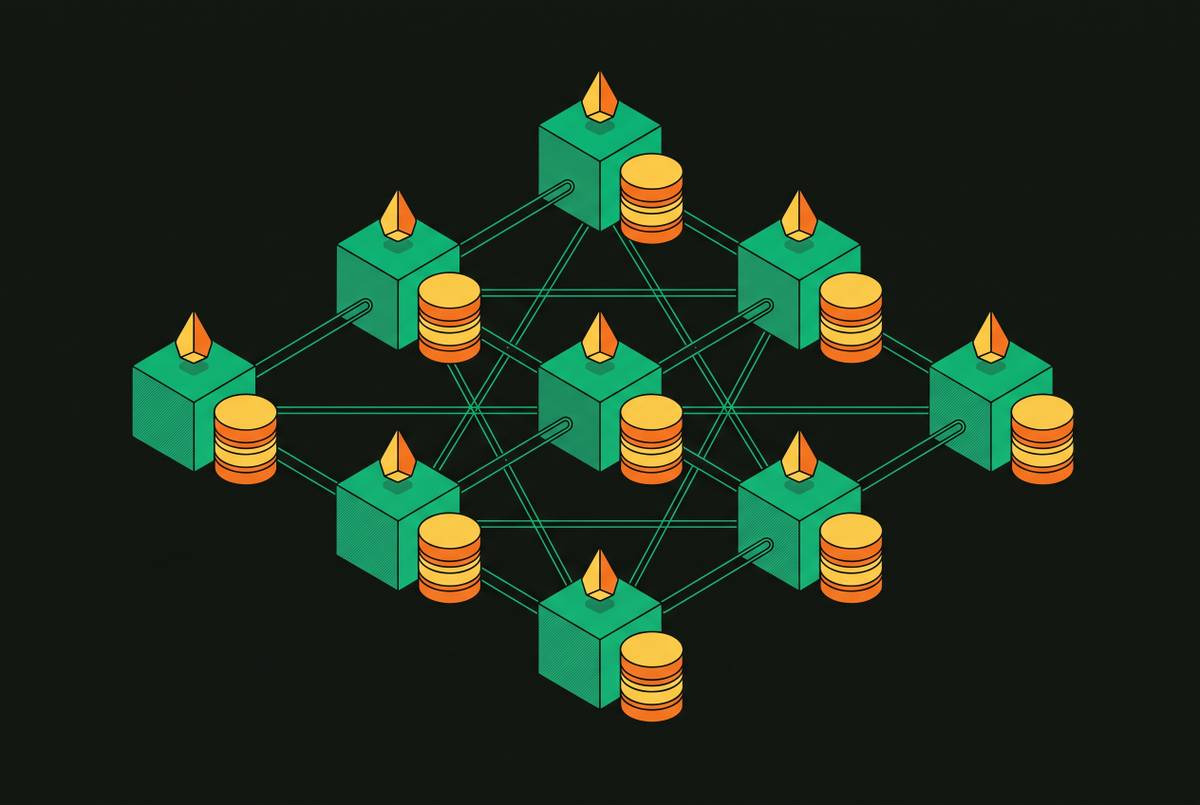
How to Run Stateful AI Agents at the Edge Without a Central Server
Replace central servers with distributed durable objects that sleep between tasks.
Internet Stack Review Editors·
 MCP Governance
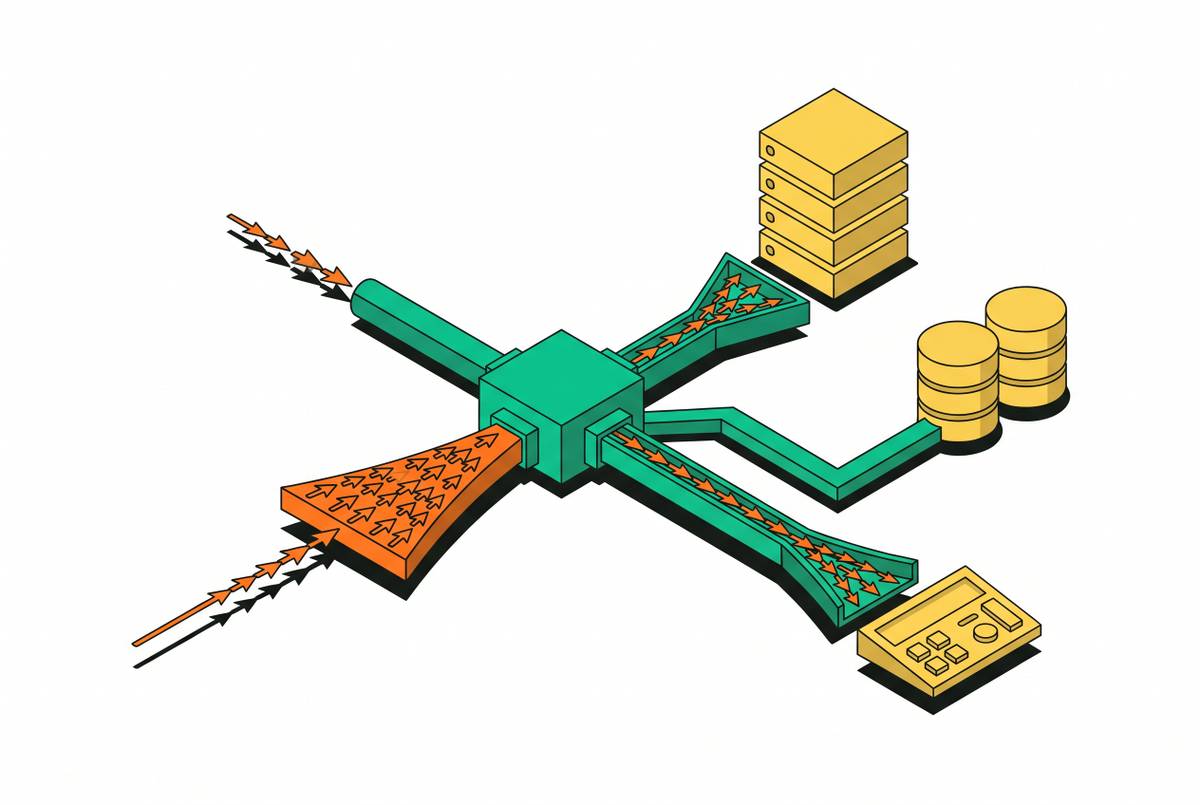
How Prompt Injection Widens When MCP Tools Touch Live Systems
Agents with write access turn prompt injection from nuisance into real threat.
Internet Stack Review Editors·
 AI Agent Deployment
Why Per-Second Billing Breaks Down for Multi-Minute AI Jobs
Agents spend most time waiting, but serverless billing charges every second.
Internet Stack Review Editors·
 Zero Trust & SASE
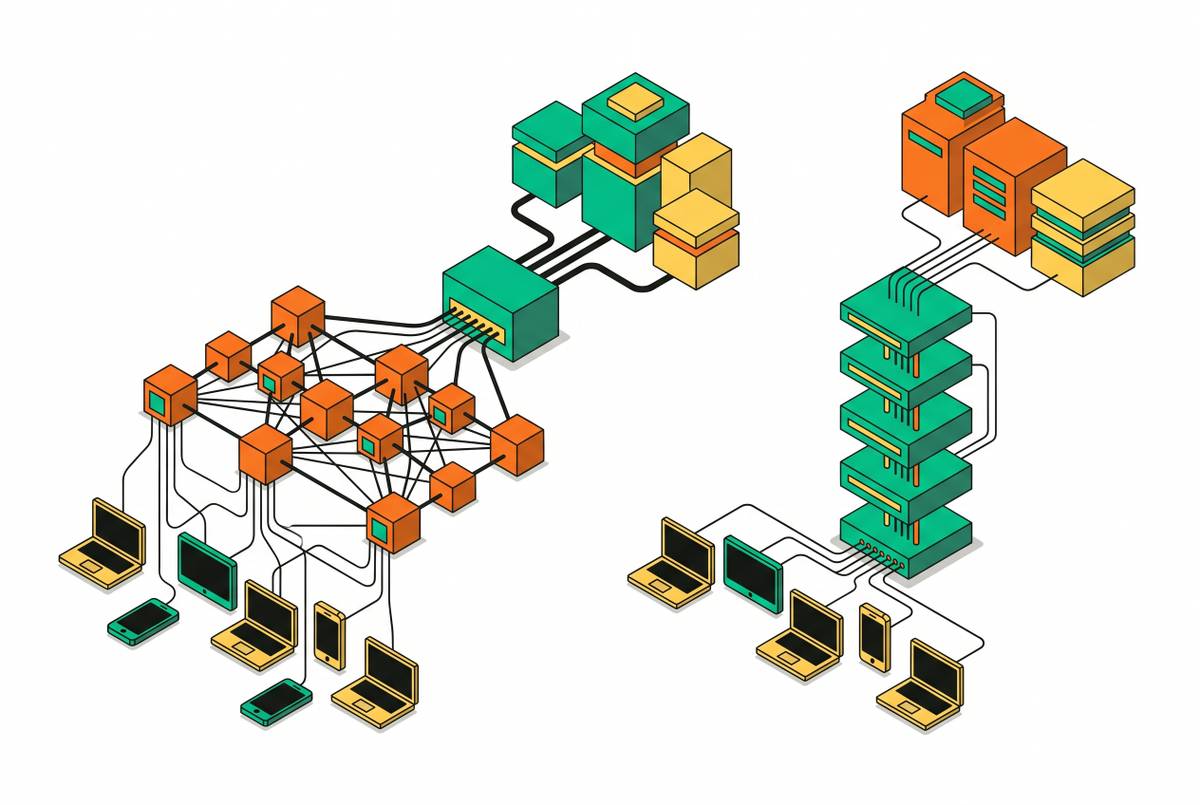
SASE vs SSE Architecture Decision for Distributed Workforces
The choice between SASE and SSE depends on your existing network, not which platform is "better."
Internet Stack Review Editors·
 Cloud Cost Architecture
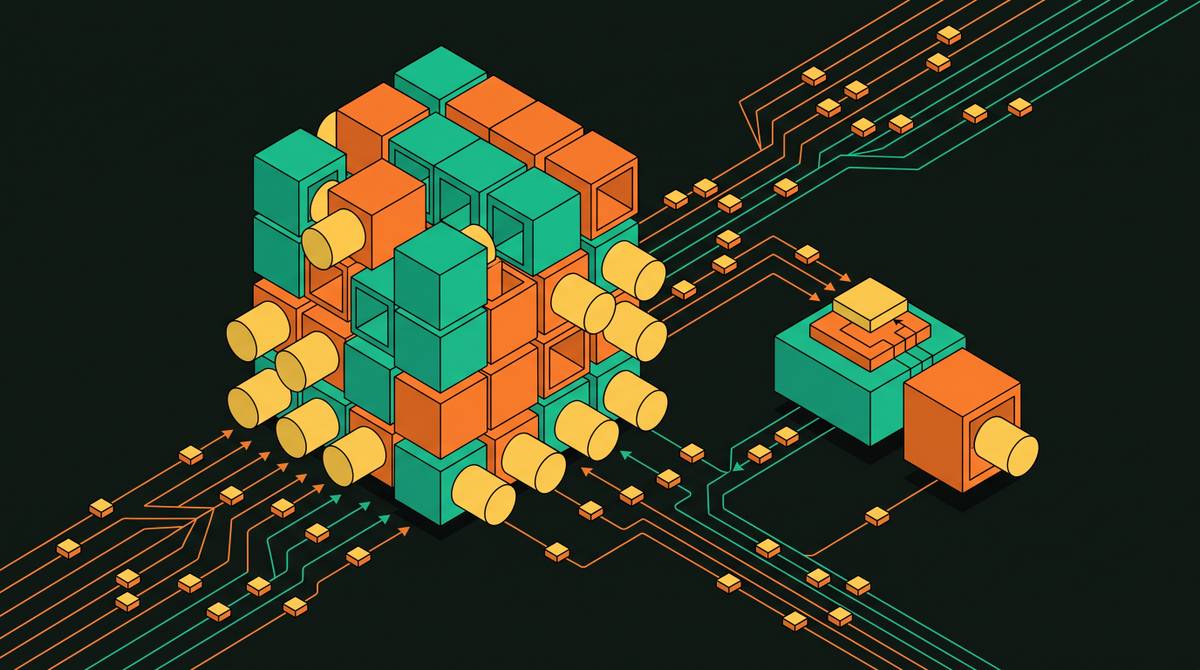
Object Storage Cost Optimization for High-Request-Rate Workloads
Request charges and egress costs, not storage rates, drive cloud bills at scale.
Internet Stack Review Editors·